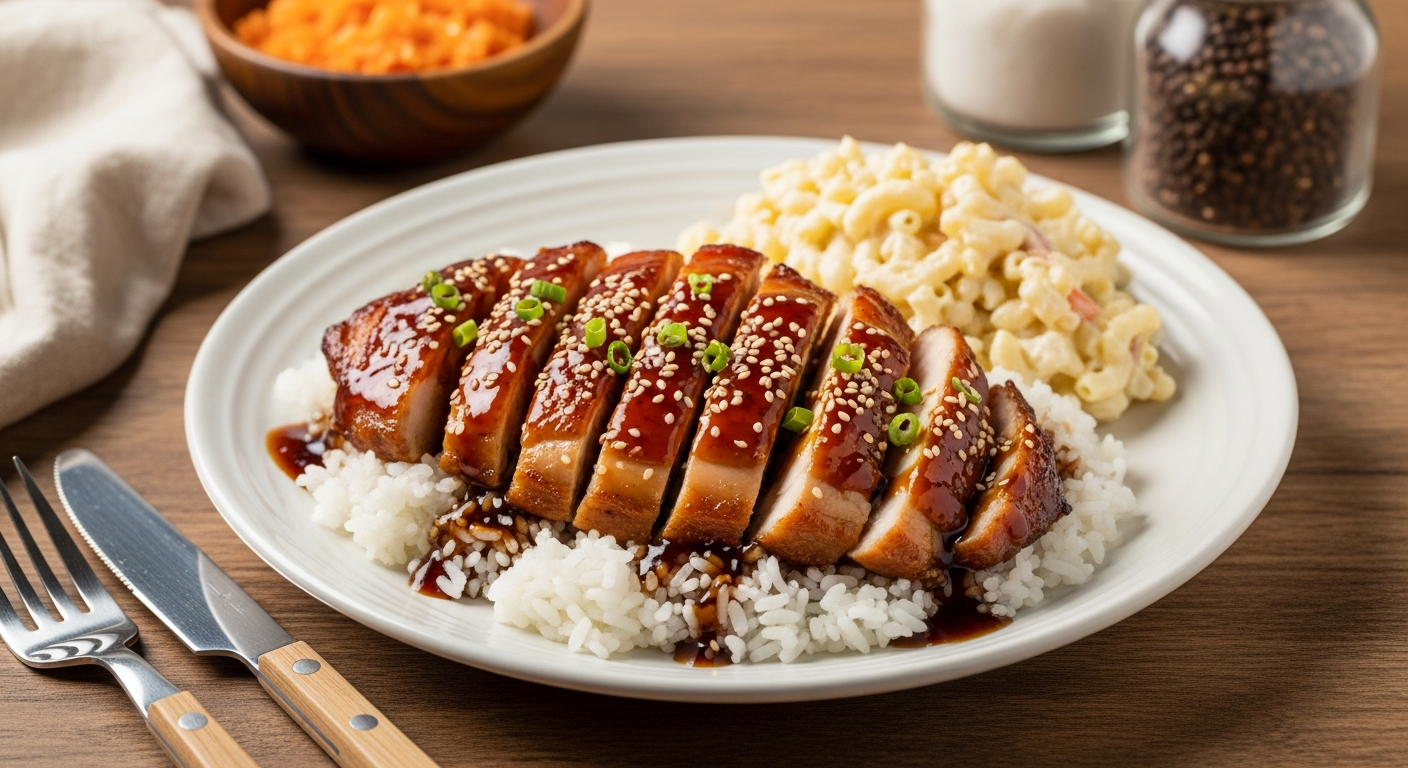
There’s a reason every plate lunch spot, drive-in, and bento counter in Hawaii has teriyaki chicken on the menu. It’s not because it’s fancy or complicated — it’s because it’s perfect. Sticky, sweet, savory, a little bit charred around the edges, draped over a mountain of white rice with the sauce soaking down into every grain. It’s the dish that says “Hawaii” just as much as poke or kalua pork, even if it doesn’t always get the same spotlight.
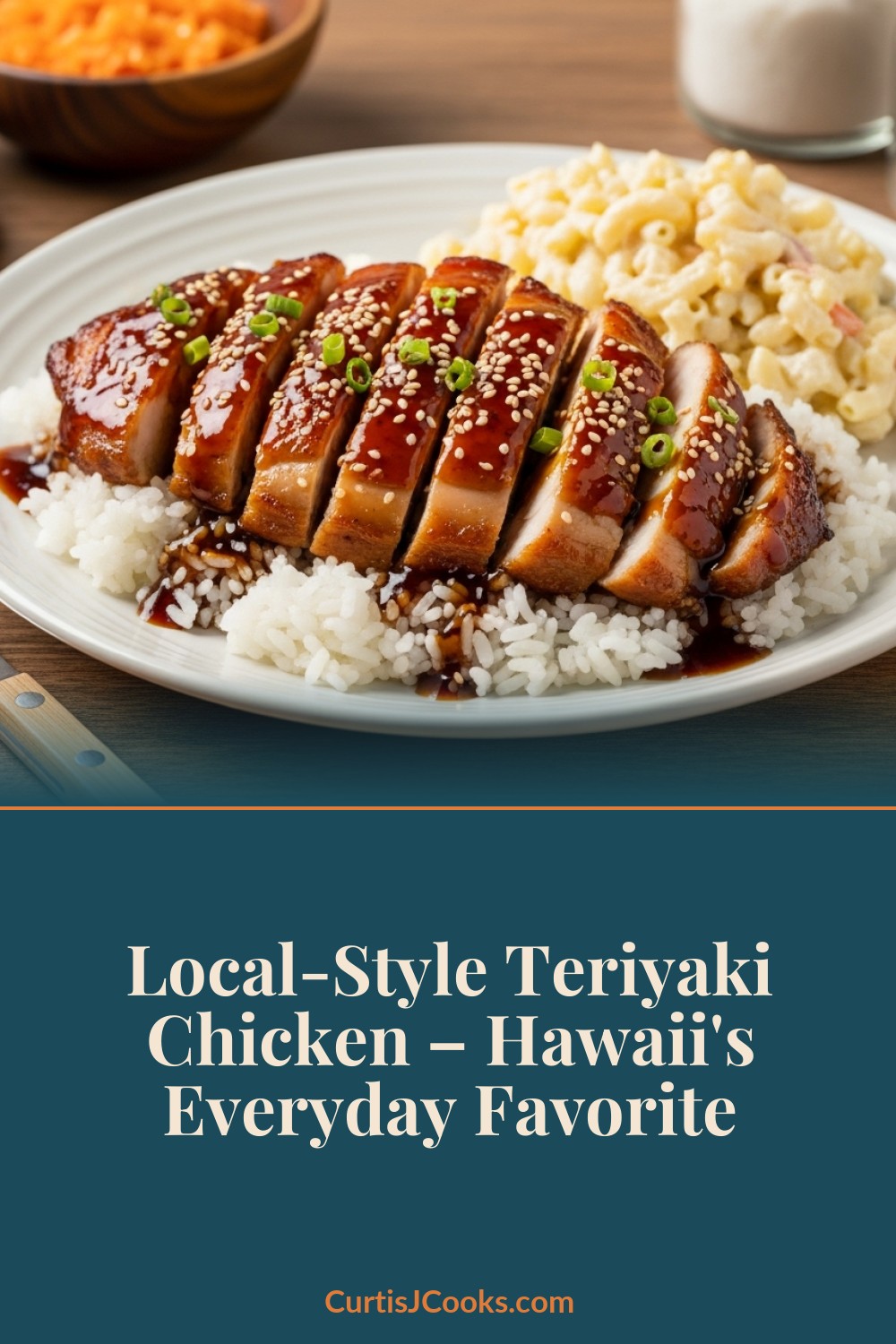
I can’t tell you how many times I’ve pulled into a drive-in after a long day — doesn’t matter which island, doesn’t matter which town — and ordered a teriyaki chicken plate without even looking at the menu. Two scoops rice, one scoop mac salad, and that glazed chicken on top. It’s the meal that never lets you down. My tutu used to make it on busy weeknights when she didn’t have time for anything elaborate, and somehow it was still one of the best things on the table. A hot skillet, chicken thighs sizzling in that homemade sauce, the whole kitchen smelling like caramelized sugar and soy sauce — that’s the soundtrack of a local kitchen.
Here’s the thing about Hawaii’s teriyaki: it’s not the same as what you get at a Japanese restaurant or that bottled teriyaki sauce from the mainland grocery store. Local-style teriyaki is its own thing — sweeter, thicker, more of a glaze than a sauce. It coats the chicken and gets sticky and almost candied in the pan. Once you make it from scratch, you’ll never go back to a bottle.
Free: Hawaiian Cooking Starter Kit
Get 5 essential island recipes + a printable pantry checklist — everything you need to start cooking Hawaiian at home.
No spam, ever. Unsubscribe anytime.
What Makes Local-Style Teriyaki Chicken Special
Mainland teriyaki tends to be thin, salty, and used more as a marinade. Japanese teriyaki is refined and balanced. But Hawaii’s version? It’s bold, sweet, and all about that glaze. The sauce reduces down until it’s thick and syrupy, coating each piece of chicken in a shiny, caramelized layer that’s slightly charred in the best way. Local teriyaki chicken isn’t shy — it’s unapologetically sweet and savory, and it’s meant to be eaten with rice so the sauce has somewhere to go.
The other difference is the cut. In Hawaii, we almost always use chicken thighs, bone-in or boneless. Dark meat has the fat and flavor to stand up to that sweet glaze without drying out. You’ll rarely see teriyaki chicken breast at a local plate lunch spot — and for good reason. If you love this sweet-savory approach to chicken, check out Shoyu Chicken too — it uses a similar philosophy but with a soy-forward braise instead of a glaze.
How Teriyaki Became a Hawaii Staple
Teriyaki came to Hawaii with Japanese immigrants during the plantation era, but like everything in island cuisine, it evolved. Japanese workers brought their cooking techniques — the word “teriyaki” itself comes from “teri” (luster or shine) and “yaki” (grilled or broiled). But as the dish mingled with other plantation cultures and adapted to local tastes and available ingredients, it became something uniquely Hawaiian. More sugar crept in, reflecting the sugarcane that surrounded the plantation camps. Ginger and garlic got more generous. The sauce got thicker.
By the mid-20th century, teriyaki chicken was a fixture at every drive-in restaurant and lunch wagon across the islands. Places like Rainbow Drive-In on Kapahulu Avenue and countless neighborhood plate lunch shops made it a daily staple for working families. It wasn’t special-occasion food — it was Tuesday night dinner, Saturday lunch, the thing you packed in your kid’s bento box. And that’s exactly what makes it special. It’s everyday food done right.
Ingredients
For the Chicken
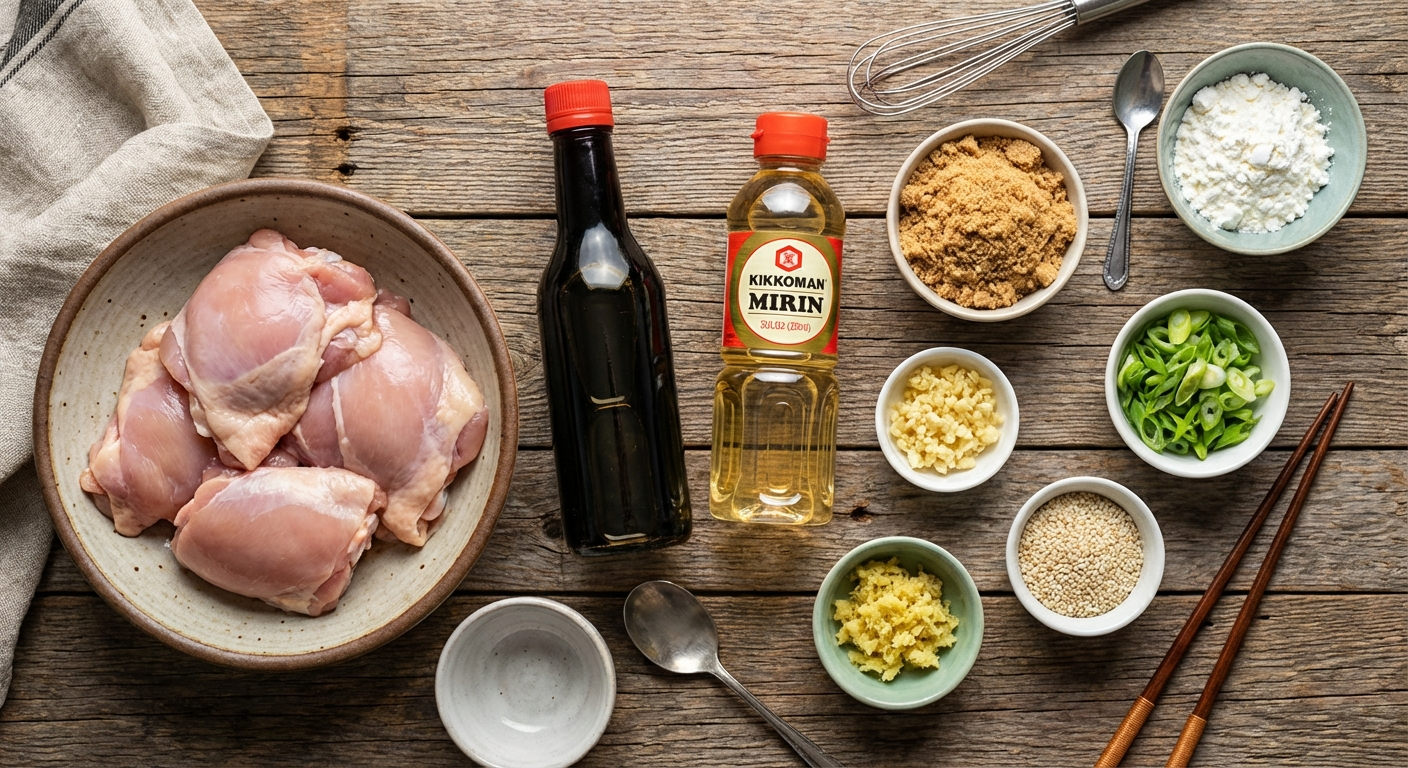
- 2 pounds boneless, skinless chicken thighs (about 6–8 thighs)
- 1 tablespoon vegetable oil
- Salt and pepper to taste
For the Local-Style Teriyaki Sauce
- ½ cup soy sauce
- ½ cup packed brown sugar
- ¼ cup mirin
- 2 tablespoons water
- 3 cloves garlic, minced
- 1 tablespoon fresh ginger, grated
- 1 tablespoon cornstarch mixed with 2 tablespoons cold water (slurry)
- 1 teaspoon toasted sesame oil
Instructions
Make the Teriyaki Sauce
- Combine the sauce base: In a small saucepan, whisk together the soy sauce, brown sugar, mirin, water, garlic, and ginger. Bring to a simmer over medium heat, stirring until the sugar dissolves completely.
- Thicken the sauce: Give the cornstarch slurry a stir and pour it into the simmering sauce. Cook for 1–2 minutes, stirring constantly, until the sauce thickens enough to coat the back of a spoon. Remove from heat and stir in the sesame oil. Set aside.
Cook the Chicken
- Prep the chicken: Pat the chicken thighs dry with paper towels — this is key for getting a good sear. Season lightly with salt and pepper. If any thighs are very thick, pound them to an even thickness so they cook evenly.
- Sear the chicken: Heat the vegetable oil in a large skillet or cast iron pan over medium-high heat until it just starts to shimmer. Lay the chicken thighs in the pan, presentation side down. Don’t crowd the pan — work in batches if needed. Sear without moving for 5–6 minutes until golden brown and crispy on the bottom.
- Flip and cook through: Flip the chicken and cook for another 4–5 minutes until cooked through (internal temperature of 165°F). The second side won’t get quite as crispy, and that’s fine.
- Glaze the chicken: Reduce heat to medium-low. Pour about half the teriyaki sauce into the pan. Let it bubble and simmer for 2–3 minutes, turning the chicken pieces to coat them completely. The sauce should reduce into a thick, sticky glaze that clings to the chicken. You’ll know it’s ready when the sauce looks shiny and slightly caramelized.
Serve
- Slice and plate: Transfer the glazed chicken to a cutting board and let rest for 3–4 minutes. Slice against the grain into strips if desired, or serve the thighs whole. Plate over hot steamed rice and spoon the remaining teriyaki sauce from the pan over the top. Garnish with sliced green onions and sesame seeds.
Tips for Perfect Local-Style Teriyaki
- Dry your chicken thoroughly: Wet chicken steams instead of searing. Pat those thighs completely dry with paper towels before they hit the pan. This is the difference between golden, crispy skin and sad, pale chicken.
- Don’t rush the glaze: Let the sauce reduce in the pan with the chicken until it’s thick and shiny. If it still looks watery, give it another minute. The glaze should coat the chicken like lacquer.
- Use real mirin, not “mirin-style seasoning”: Real mirin (hon mirin) has a depth and natural sweetness that the imitation stuff can’t match. Check the label — real mirin lists rice as the first ingredient and has alcohol content.
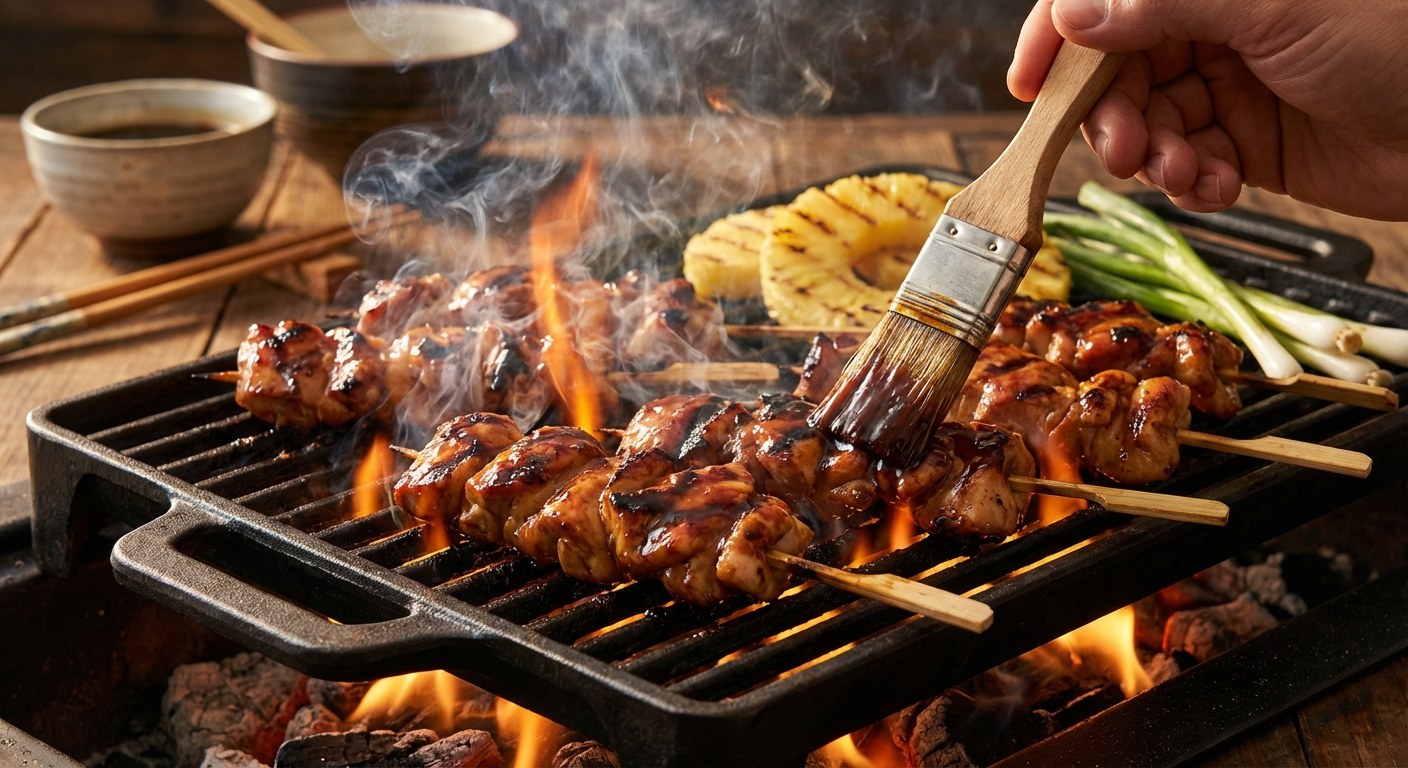
- Grill it if you can: This recipe works great in a skillet, but if you have a grill going, cook the chicken over medium-high heat and brush with the sauce during the last few minutes. Grilled teriyaki with those char marks is next level.
- Make extra sauce: Double the sauce recipe and keep the extra in a jar in the fridge. It’s good for at least two weeks and works on everything — pork chops, salmon, stir-fried vegetables, even as a dipping sauce for potstickers.
Serving Suggestions
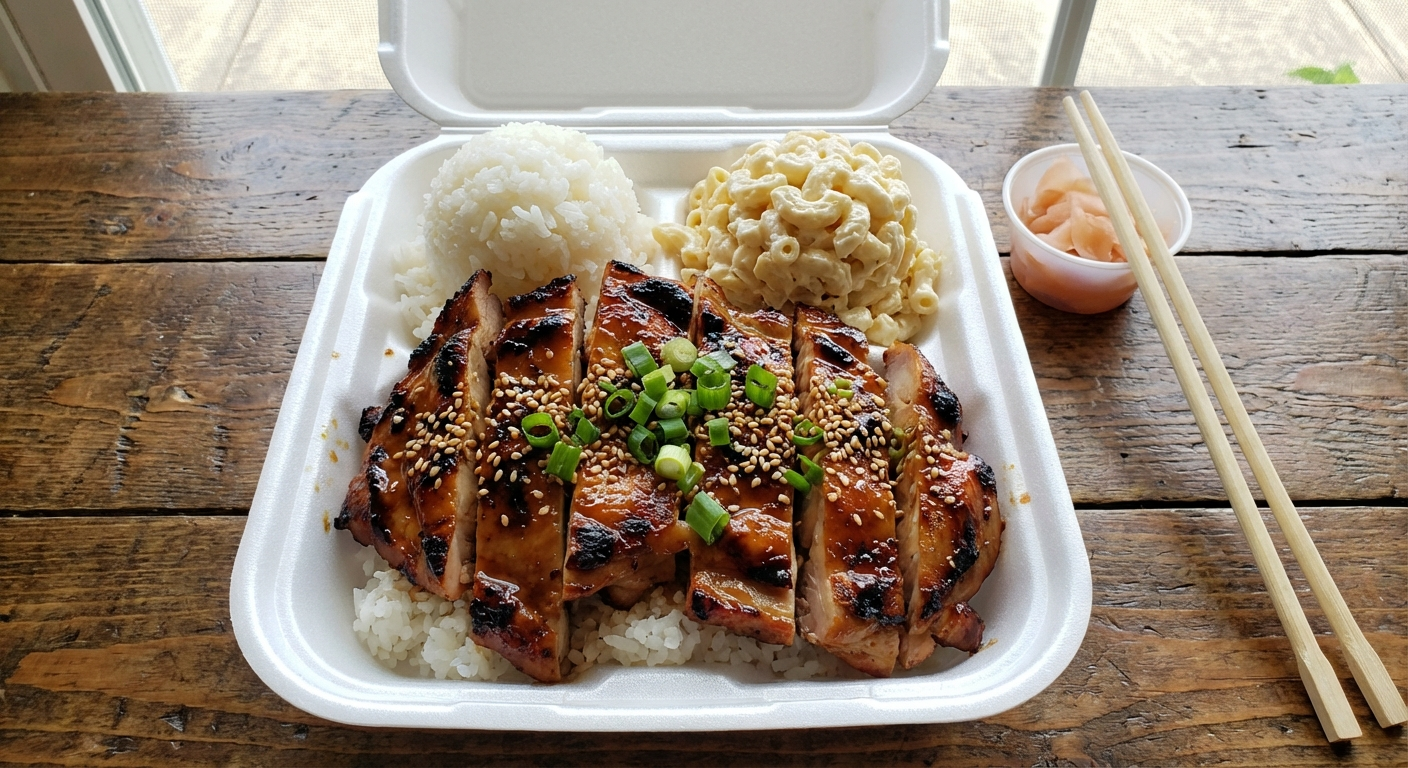
This is plate lunch food, so serve it the right way: two scoops of hot steamed white rice, one scoop of creamy mac salad, and the teriyaki chicken right on top so the sauce drips down into the rice. That’s the holy trinity of the plate lunch right there. If you want to add a little something extra, a side of steamed broccoli or stir-fried cabbage rounds it out nicely. Some folks like to add a fried egg on top of the rice too — and I’m not going to tell you that’s wrong, because it’s absolutely right.
More Quick & Easy Island Recipes
Love how fast and flavorful this teriyaki chicken is? Try these other weeknight favorites:
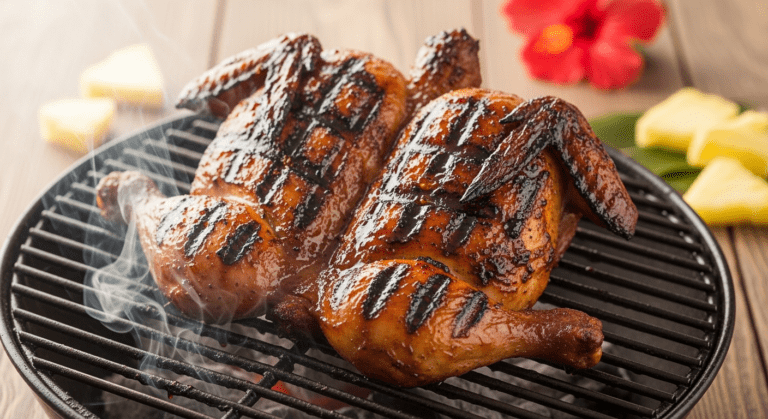
- Huli Huli Chicken — another island-style chicken classic
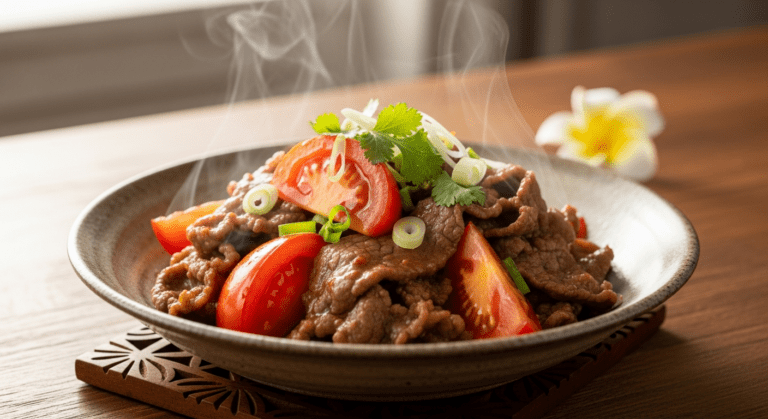
- Beef Tomato — a quick Chinese-style stir-fry that’s been a local favorite for generations
- Chicken Katsu — crispy, golden, and perfect with tonkatsu sauce
Prep Time: 10 minutes
Cook Time: 20 minutes
Total Time: 30 minutes
Servings: 4