The first time I saw a poke bowl with kale and quinoa, I was standing in a Whole Foods in San Diego, staring at a $16 bowl that had nothing to do with the poke I grew up eating at Ono Seafood on Kapahulu. That version — ahi, shoyu, sesame oil, limu, Hawaiian salt, rice — costs half as much and tastes like the ocean. The mainland got interested in Hawaiian poke bowls, but most people have never had the real thing.
Real poke isn’t a health bowl. It’s not a vehicle for whatever trendy grain or superfood is popular this week. It’s raw fish cut into cubes, dressed simply, served over warm rice. The fish should taste like fish — clean, oceanic, almost sweet. The rice should be hot enough to barely warm the bottom layer of poke. Everything else is there to enhance, not distract.
This is the complete guide to understanding poke from a local perspective — what makes it Hawaiian, why the mainland versions miss the point, and how to build bowls that actually taste like the islands. If you want to understand what poke really is, start here.
Free: Hawaiian Cooking Starter Kit
Get 5 essential island recipes + a printable pantry checklist — everything you need to start cooking Hawaiian at home.
No spam, ever. Unsubscribe anytime.
What Makes Hawaiian Poke Bowls Actually Hawaiian
A Hawaiian poke bowl starts with the fish. Not the toppings, not the grain base, not the sauce drizzle. The fish is the center, and everything else supports it. That’s the first thing mainland poke shops get wrong — they treat the fish as one component among many, when it should be the entire point.
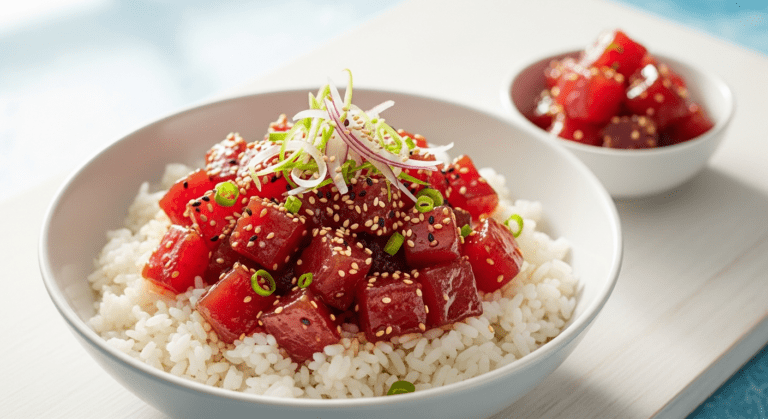
Traditional Hawaiian poke uses ahi (yellowfin tuna) or salmon, cut into three-quarter-inch cubes. The cubes should be uniform so every bite has the same texture. The fish gets dressed in one of three classic styles: shoyu (soy sauce, sesame oil, green onion), spicy (shoyu base with chili oil or sambal), or Hawaiian-style (just salt, limu seaweed, and inamona — roasted kukui nut). That’s it. No mango. No avocado. No edamame or seaweed salad or pickled anything.
The rice matters as much as the fish. Short-grain white rice, cooked properly, served warm. Cold rice is a mainland invention that makes no sense. Warm rice contrasts with cold fish — the temperature difference is part of the experience. The rice should be sticky enough to hold together but not mushy. If you don’t know how to make it right, start with the basics.
Toppings should be minimal and traditional: furikake, more green onion, maybe tobiko if you want texture. Limu (ogo seaweed) adds a briny, oceanic flavor you can’t get from wakame or other seaweeds. Inamona — roasted and ground kukui nut — gives a rich, almost buttery depth. These ingredients connect the dish to Hawaii. Kale and quinoa do not.
The bowl should look simple. Fish, rice, a few garnishes. If it looks like a salad bar exploded on top of some raw fish, it’s not a Hawaiian poke bowl. It’s a mainland interpretation that prioritizes Instagram over taste.
The Essential Components of a Traditional Poke Bowl
Every element in a poke bowl has a job. When you understand what each component contributes, you stop adding things that don’t belong.
The Fish: Sushi-grade ahi or salmon, bought fresh the day you’re eating it. The fish should smell clean, like the ocean, not fishy. Ahi has a firm texture and mild flavor that takes marinade well. Salmon is fattier, richer, and works better with spicy preparations. The cubes should be cold — almost frozen is easier to cut cleanly. You want three-quarter-inch pieces, not chunks, not slivers. Cutting technique matters, and if you’re new to this, learn how to do it properly.
The Marinade: Three classic styles. Shoyu poke uses soy sauce, sesame oil, green onion, and sometimes a touch of chili pepper. It’s the most popular style, the one you’ll find at every poke counter in Hawaii. Spicy poke adds chili oil or sambal to the shoyu base — more heat, more aggressive. Hawaiian-style uses just Hawaiian sea salt, limu, and inamona. No soy sauce. This is the oldest preparation, the one that connects directly to ancient Hawaiian fishing traditions. The fish tastes more like itself. Marinate for 10-15 minutes maximum. Longer breaks down the texture and makes the fish mushy.
The Rice: Short-grain white rice, the same kind you’d use for sushi or musubi. It should be warm — just-cooked or reheated gently. The warmth matters. It softens the chill of the fish without cooking it, and the temperature contrast makes every bite more interesting. Cold rice straight from the fridge is wrong. It clumps, it tastes flat, and it kills the dish.
The Toppings: Furikake (sesame seed and seaweed seasoning), sliced green onion, diced chili pepper. Limu if you can find it. Tobiko or masago (fish roe) adds a pop of texture and a burst of salt. Inamona if you’re going traditional. Macadamia nuts work as a substitute — they’re not the same, but they’re closer than nothing. What you don’t add: avocado, cucumber, edamame, mango, kale, quinoa, sriracha mayo, spicy aioli, or anything else that turns the bowl into a fusion experiment. Those ingredients aren’t wrong because they taste bad. They’re wrong because they distract from the fish.
For a broader look at what goes into authentic Hawaiian cooking, check out the essential seasonings and ingredients that show up across the islands’ food.
Regional Poke Styles Across the Islands
Poke isn’t one thing. Every island, every neighborhood, every poke counter has its own style. The differences aren’t random — they reflect local preferences, available fish, and family recipes passed down through generations.
Oahu: Shoyu poke dominates. It’s what most people think of when they think of poke — ahi dressed in soy sauce, sesame oil, and green onion. Simple, clean, focused on the fish. Spicy ahi shows up everywhere too, usually with a chili oil base that adds heat without overwhelming the tuna. Ono Seafood on Kapahulu makes the version I measure everything else against. Their shoyu poke tastes like the ocean with just enough salt and oil to enhance it.
Big Island: More Hawaiian-style poke. Salt, limu, inamona. Less shoyu influence, more focus on the fish itself. The Big Island has stronger ties to traditional Hawaiian fishing culture, and the poke reflects that. You’ll also find more tako (octopus) poke here — boiled octopus dressed the same way as fish, chewy and briny.
Maui: Similar to Oahu but with more emphasis on fresh-caught fish. Maui’s poke shops often source directly from local fishermen, so you’ll see more variety — ono (wahoo), mahi-mahi, even marlin if the catch was good. The fish is usually fresher, and the preparations stay simple to let that freshness show.
Kauai: Smaller island, fewer poke shops, but what’s there tends to be very traditional. Less fusion, less experimentation. If you find poke on Kauai, it’s probably one of the three classic styles, made the way it’s been made for decades.
Tako poke deserves its own mention. Boiled octopus, sliced thin or chopped, dressed in shoyu or Hawaiian-style. The texture is completely different — firm, almost crunchy, with a chew that fish doesn’t have. It’s not for everyone, but if you like it, you really like it.
Choosing and Preparing Fish for Poke at Home
The fish makes or breaks the bowl. You can nail the rice, the marinade, the toppings, but if the fish isn’t right, the whole thing falls apart.
Buy sushi-grade fish from a reputable fishmonger. “Sushi-grade” isn’t an official term, but it signals that the fish has been handled properly — flash-frozen to kill parasites, stored at the right temperature, cut with clean equipment. Ask when the fish came in. If it’s more than a day old, don’t buy it. If it smells fishy or has a dull color, walk away. Fresh ahi should be deep red, almost purple. Salmon should be bright orange-pink with visible fat lines.
If you’re on the mainland and don’t have access to a good fish market, Whole Foods and some Costco locations carry sushi-grade tuna and salmon. Quality varies by location, so ask questions. When was it caught? When did it arrive? Has it been previously frozen? (Previous freezing is fine — it’s required for safety. You just want to know it wasn’t frozen, thawed, and refrozen.)
For a deeper look at what fish to buy and how to evaluate quality, the Hawaiian fish guide covers everything you need to know.
Cutting technique: Keep the fish cold. If it’s too soft, it’s hard to cut clean cubes. Partially frozen is easier to work with. Use a sharp knife — a dull blade tears the flesh instead of slicing it. Cut against the grain for a cleaner bite. Aim for three-quarter-inch cubes. Smaller pieces get mushy when marinated. Larger pieces are awkward to eat and don’t pick up enough marinade.
Prep the fish right before you’re ready to eat. Don’t cut it in the morning and let it sit in the fridge all day. The texture degrades. The longer raw fish sits, the softer it gets.
Building Your Bowl: Rice, Toppings, and Balance
Assembly matters. The order, the ratios, the way you layer everything — it all affects how the bowl eats.
Start with warm rice. Fill the bowl about two-thirds full. You want enough rice to balance the fish but not so much that you’re eating a rice bowl with a few cubes of poke on top. The rice should be sticky enough to clump but not gummy. If you’re not confident in your rice game, here’s how to fix that.
Add the poke on top. Don’t mix it in. The fish should sit on the surface so you can see it, so the first thing you taste is fish, not rice. Use about four to six ounces of poke per bowl — enough to get fish in every bite, but not so much that the bowl feels heavy.
Garnish with toppings. Furikake is standard — it adds sesame flavor and a little crunch. Sliced green onion, diced chili pepper if you want heat. Tobiko or masago if you want the pop of fish roe. Limu if you found it. A sprinkle of Hawaiian sea salt if you’re going traditional.
The bowl should look clean. Everything in its place, nothing random, nothing that doesn’t belong. If you’re feeding a crowd and want to make it interactive, setting up a poke bar lets people build their own bowls with the ingredients they want.
Balance is the key. Fish, rice, a few garnishes. Each bite should have all three. If the ratios are off — too much rice, not enough fish — the bowl doesn’t work. You’re eating rice with a side of poke instead of a poke bowl.
Three Classic Hawaiian Poke Marinades
These are the three marinades that define Hawaiian poke. Master these, and you understand the dish.
Shoyu Poke: Mix 2 tablespoons shoyu (soy sauce), 1 tablespoon sesame oil, 2 sliced green onions, and 1 teaspoon toasted sesame seeds. Toss with 1 pound cubed ahi. Marinate for 10 minutes. This is the standard. It’s what most poke shops serve, and when it’s done right, it’s perfect. The soy sauce adds salt and umami, the sesame oil adds richness, the green onion adds sharpness. For a complete recipe with all the details, check out the classic ahi poke bowl.
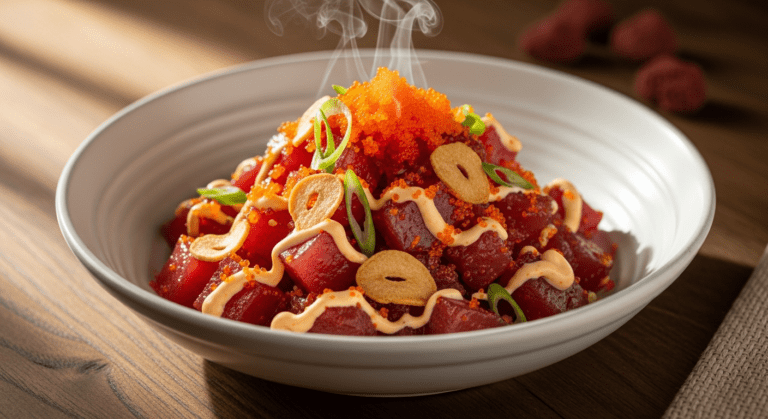
Spicy Ahi Poke: Start with the shoyu base above. Add 1 tablespoon chili oil (or sambal oelek), 1/2 teaspoon grated ginger, and a pinch of red pepper flakes. Toss with cubed ahi. Marinate for 10 minutes. The heat should enhance the fish, not mask it. If you can’t taste the tuna through the spice, you’ve added too much.
Hawaiian-Style Poke: Toss 1 pound cubed ahi with 1 teaspoon Hawaiian sea salt (pa’akai), 1/4 cup chopped limu (ogo seaweed), and 2 tablespoons crushed inamona (roasted kukui nut). If you can’t find inamona, use crushed macadamia nuts. No soy sauce, no sesame oil. This is the oldest style, the one that predates all the Japanese and Asian influences. The fish tastes more like itself. The limu adds oceanic flavor. The inamona adds richness without fat. It’s sparse, but that’s the point.
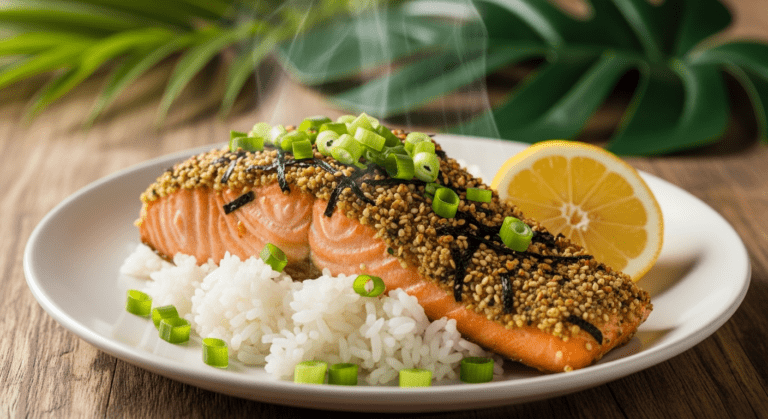
These marinades work for salmon too, though salmon’s fattier texture makes it better suited to the spicy version. Adjust marinating time based on how the fish looks — if the flesh starts to look opaque or mushy, you’ve gone too long.
Common Poke Bowl Mistakes (And How to Avoid Them)
Most poke bowl mistakes come from overthinking it. People assume more ingredients make the dish better. They don’t.
Cold rice: Serving poke over cold rice straight from the fridge kills the dish. The rice clumps, the texture is wrong, and the temperature contrast disappears. Always use warm rice. Reheat leftovers gently if you have to.
Over-marinating: Fifteen minutes is enough. Longer doesn’t make the fish taste better — it makes it mushy. The acid and salt in the marinade start breaking down the protein. You want the fish to stay firm, almost snappy when you bite it.
Too many toppings: Mango, avocado, cucumber, edamame, kale, quinoa, sriracha mayo — none of these belong in a traditional Hawaiian poke bowl. They turn the dish into a fusion salad. If you want a deconstructed sushi roll, fine, but don’t call it Hawaiian poke.
Wrong fish cut: Cubes that are too small get lost in the marinade and fall apart. Cubes that are too large are awkward to eat and don’t absorb enough flavor. Three-quarter-inch is the target. Uniform size matters.
Bad fish: If the fish smells off, looks dull, or feels slimy, don’t use it. No amount of marinade will fix bad fish. Poke is raw — the quality of the fish is everything.
Skipping the limu: If you can find ogo seaweed, use it. The oceanic flavor it adds is irreplaceable. Wakame and other seaweeds don’t taste the same. Without limu, you’re missing a key part of what makes Hawaiian poke taste Hawaiian.
Where Poke Came From and Why It Matters
Poke isn’t new. Ancient Hawaiian fishermen ate raw fish seasoned with sea salt, limu, and inamona — whatever was available on the boat. It was a way to eat fresh catch immediately, before refrigeration, before ice. The fish tasted like the ocean because it came straight from the ocean.
The dish evolved through Hawaii’s plantation era. Japanese, Chinese, Korean, and Filipino workers brought their own ingredients — soy sauce, sesame oil, chili pepper. Shoyu poke came from that mix of cultures. It’s still Hawaiian, but it reflects the islands’ multicultural history. The food changed as the population changed, and that’s part of what makes Hawaiian food Hawaiian — it absorbs influences without losing itself.
Modern commercialization turned poke into something else. Mainland poke shops saw the dish as a healthy fast-casual option and started adding whatever ingredients fit the health-food narrative. That’s how you end up with kale and quinoa. Those shops aren’t trying to make Hawaiian food. They’re trying to sell bowls.
Understanding where poke came from matters because it tells you what the dish is supposed to be. It’s not a grain bowl. It’s not a salad. It’s raw fish, simply dressed, that tastes like the ocean. Everything else is context. For a deeper dive into poke’s history and cultural significance, here’s the full story.
When you make poke at home, you’re connecting to that history. You’re making food that Hawaiian fishermen ate hundreds of years ago, with a few modern touches. That’s worth respecting. That’s worth getting right.
Explore More Hawaiian Recipes
If you’re diving into Hawaiian food, start with the basics:
- What Is Poke? Hawaii’s Original Raw Fish Dish Explained
- How to Cut Fish for Poke and Sashimi
- Hawaiian Fish Guide — What to Buy for Poke, Grilling, and Everything In Between
- How to Make Perfect Rice Every Time
- Lomilomi Salmon — Hawaii’s Essential Luau Side Dish
- Spicy Ahi Sushi Bake — Hawaii’s Viral Potluck Casserole
- Ahi Poke Bowl — Classic Hawaiian Raw Fish Done Right
- Hawaiian Side Dishes — Every Side That Belongs on Your Plate