
Coconut Shrimp — Crispy Hawaiian Appetizer in 20 Minutes
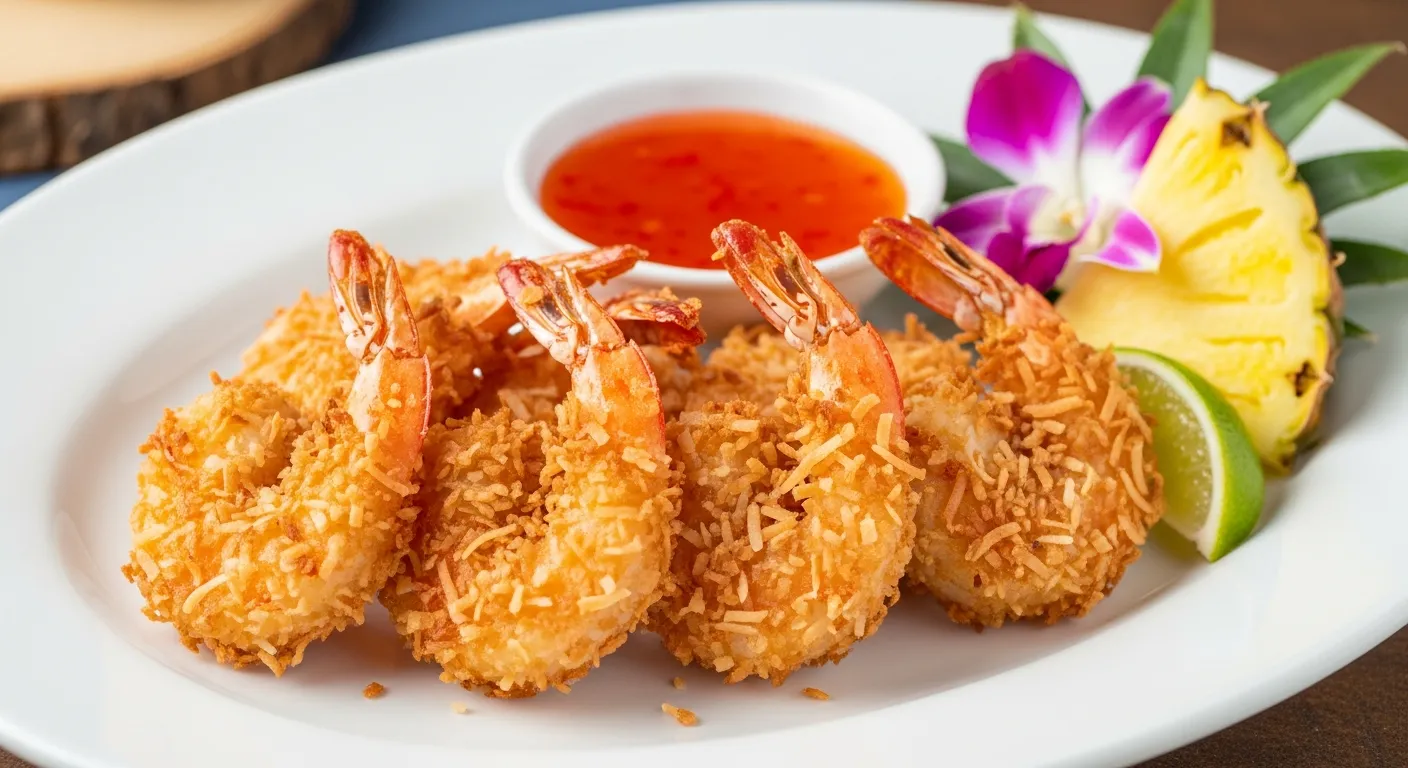
Coconut shrimp is on every pupu menu at every restaurant in Hawaii. "Pupu" is the Hawaiian word for appetizer, and coconut shrimp might be the king of pupus. Crispy coconut shell on the outside, sweet tender shrimp on the inside, and a dipping sauce that makes you want to lick the bowl.
The restaurant versions charge you twelve bucks for six shrimp and some garnish. At home, you can make a mountain of them for the cost of a pound of shrimp and a bag of coconut. Twenty minutes, start to finish. And yours will be better because they're coming straight from the fryer to your mouth with zero lag time.
The Coating Is Everything
The secret to great coconut shrimp is the coating ratio. A lot of recipes use only coconut, which falls off and burns. The move is mixing sweetened shredded coconut with panko breadcrumbs. The panko provides structure — it creates a crunchy base layer that the coconut sticks to. The coconut provides the flavor and that gorgeous golden-brown exterior.
I use a 2:1 ratio — twice as much coconut as panko. You want the coconut to be the dominant texture and flavor, with the panko just providing scaffolding underneath. Sweetened coconut caramelizes better than unsweetened and gives a slightly candy-like crunch that's irresistible.
The flour dredge and egg wash are critical for adhesion. Flour first — it dries the surface and gives the egg something to grip. Egg wash second — it acts as the glue. Then press the shrimp firmly into the coconut-panko mixture. Really press it in. You want a thick, even coat that won't fall off in the oil.
Butterflying Makes a Difference
Don't skip butterflying the shrimp. Cutting along the outer curve and opening them flat does three things: it increases the surface area (more coating = more crunch), it makes the shrimp cook faster and more evenly, and it makes them look bigger and more impressive on the plate.
It takes about 30 seconds per shrimp once you get the hang of it. Slice along the outside curve, about three-quarters through — don't cut all the way. Open it up, press it flat with your palm. Done. If you've ever deveined shrimp, you've already done the hard part.
Frying Right
Temperature control is crucial. 350°F is the sweet spot. Too hot and the coconut burns before the shrimp cooks through. Too cool and the shrimp absorb oil and come out greasy instead of crispy.
Use a thermometer. I'll keep saying this for every frying recipe because it's always true. A good thermometer is a ten-dollar investment that makes the difference between greasy, soggy fried food and perfect, crispy fried food every time.
Fry in small batches. Four or five shrimp at a time, max. Overcrowding drops the oil temperature and you end up steaming the shrimp instead of frying them. Give each batch 2 minutes per side — flip once when the bottom is golden, cook until the other side matches.
Drain on a wire rack, not paper towels. A wire rack lets air circulate around the shrimp so the bottom stays crispy. Paper towels trap steam underneath and the bottom gets soggy.
The Dipping Sauce
Sweet chili sauce is the standard pairing, and it's perfect — sweet, slightly spicy, with a vinegar tang that cuts through the richness of the fried shrimp. I doctor mine with a spoonful of orange marmalade and a splash of rice vinegar. The marmalade adds a citrus note that bridges the tropical coconut flavor, and the vinegar adds brightness.
If you want to go in a different direction:
- Spicy mango sauce: Blend mango chunks, lime juice, a habanero, and a pinch of salt. Tropical heat.
- Lilikoi mustard: Mix Dijon mustard with lilikoi concentrate and honey. Tangy, sweet, and sophisticated.
- Classic cocktail sauce: Ketchup, horseradish, lemon juice. Simple, effective, and a nice contrast to the sweet coconut.
- Ponzu: The citrusy soy sauce is light and bright — a great counterpoint to the rich fried coating.
Make-Ahead Tips
You can bread the shrimp up to an hour before frying. Lay them on a parchment-lined sheet pan and refrigerate uncovered. The coating actually adheres better when it's had time to set in the fridge — the egg wash firms up and creates a stronger bond.
Don't bread them further ahead than an hour, though. The moisture from the shrimp will start breaking down the flour layer and the coating won't be as crispy.
Fried coconut shrimp are best eaten immediately. If you absolutely must hold them, keep them on a wire rack in a 200°F oven for up to 20 minutes. But honestly, just fry them right before you serve them. The difference between straight-from-the-fryer coconut shrimp and ones that sat around is the difference between amazing and just okay.
These shrimp are the perfect party food, the perfect game-day snack, the perfect "I need to impress people without working hard" appetizer. Make them once and they'll become your go-to pupu for every gathering. The bowl of dipping sauce will be empty before the shrimp are gone.