Before you read
Pick the box that can handle a real lunch.
Bento gear only matters if it makes packing easier and eating better later. CurtisJ's rule is enough space for rice, one or two mains, and a side that can travel without leaking into everything else.
The bento box has deep roots in Hawaiian food culture. When Japanese plantation workers brought their compartmentalized lunch boxes to the sugar fields, they helped create what eventually became the plate lunch. Today, the bento is still everywhere in Hawaii — at every supermarket deli, every gas station, and in thousands of lunch bags headed to school and work.
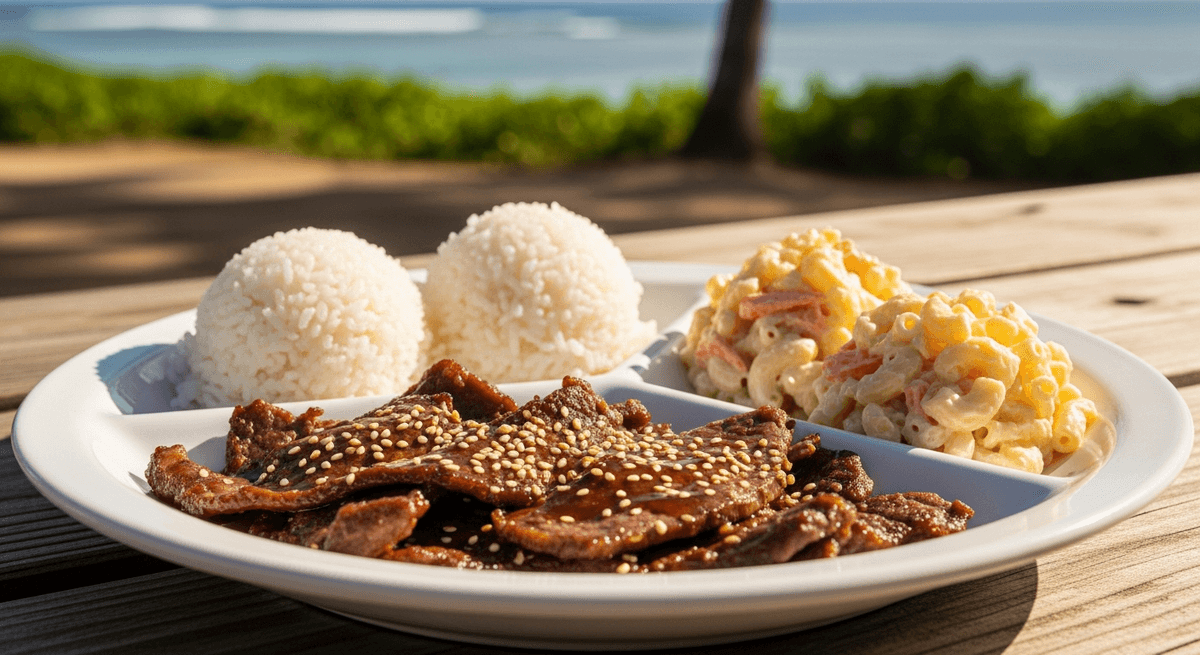
If you’re meal prepping Hawaiian food or just want a better way to pack your plate lunch, a good bento box makes all the difference. The right one keeps your rice hot, your mac salad cold, and your teriyaki sauce from leaking all over your bag.
What to Look For in a Hawaiian Plate Lunch Bento
Hawaiian food has specific requirements that not every bento box handles well:
- Compartments that actually seal. You need separation between hot rice and cold mac salad, and you absolutely need leak-proof sections for saucy proteins like shoyu chicken or hamburger steak gravy.
- Enough capacity. A plate lunch is not a dainty meal. You need room for two generous scoops of rice, a full scoop of mac salad, and a hefty protein portion. Look for at least 40oz total capacity.
- Microwave-safe materials. You’ll be reheating rice and proteins at lunch. Glass and BPA-free plastic work; metal does not.
- Easy to clean. Teriyaki sauce and mac salad mayo will stain cheap plastic. Glass containers or stain-resistant materials save you headaches.
Our Top Picks
Best Overall: Glass Meal Prep Containers with 3 Compartments
Glass containers with snap-lock lids and three compartments are the gold standard for Hawaiian meal prep. They don’t stain (important when you’re packing teriyaki and shoyu every week), they reheat evenly in the microwave, and the compartments keep everything separate. Look for borosilicate glass sets that come in packs of 5 — enough for a full work week.
Best for: Weekly meal prep, microwave reheating, anyone who’s tired of stained plastic containers.
Best Traditional Style: Japanese Bento Box with Inner Containers
A traditional two-tier Japanese bento box with removable inner containers lets you pack Hawaiian style — rice on the bottom tier, protein and sides on top. The inner containers keep mac salad separate from warm items. Many come with matching chopsticks and carrying bags.
Best for: Packing beautiful lunches, people who appreciate the Japanese-Hawaiian bento tradition.
Best Insulated: Stainless Steel Thermal Bento
Vacuum-insulated stainless steel bento boxes keep hot food hot for 4-6 hours. Pack your rice and kalua pig in the morning and it’s still warm at lunch — no microwave needed. Look for wide-mouth designs that are easy to eat from.
Best for: Construction sites, outdoor work, anywhere without a microwave.
Best Budget: Divided Plastic Containers (10-Pack)
Inexpensive BPA-free plastic containers with built-in dividers. They won’t last forever and they will stain, but at this price you can replace them regularly. Great for meal prep beginners or for sending food home with guests after a backyard party.
Best for: Budget meal prep, disposable use, large-batch cooking.
Packing the Perfect Hawaiian Bento
The Hawaiian bento follows the same formula as the plate lunch:
- Rice goes in first. Pack it warm and it’ll stay moist. Two scoops, pressed gently with your scoop or spoon.
- Protein with sauce. Make sure to include a spoonful of the braising liquid or sauce, it keeps the meat moist and flavors the rice when everything mingles.
- Mac salad separate if possible. Cold mac salad next to hot rice isn’t ideal. If your bento has a separate sealed section, use it. Otherwise, a small separate container works.
- Extras in gaps. Fill any empty space with pickled vegetables, a few pieces of spam musubi, or tamagoyaki (rolled omelet).
Explore More
- Hawaiian Meal Prep Guide — Full weekly prep plans
- The Plate Lunch Guide — Every protein recipe for your bento
- Hawaiian Mac Salad, The essential bento side
- Best Rice Cookers — For the rice that fills every bento
- Hawaiian Pantry Guide — Stock up for a week of bentos