If you’ve ever stood in a kitchen store staring at a wall of woks wondering which one to pick, you’re not alone. There are a lot of options out there, and they all claim to be the best. But as someone who cooks Hawaiian-style stir-fry at home multiple times a week, I can tell you that the right wok makes all the difference and it doesn’t have to be expensive.
Hawai’i’s food culture has deep roots in Chinese cooking. When Chinese immigrants came to the islands to work the sugar plantations in the 1800s, they brought their recipes, their techniques, and their cookware with them. That influence is woven into the fabric of local food today. Chow fun, fried rice, beef tomato, char siu, these aren’t just “Chinese food” in Hawai’i. They’re local food. They’re what we eat at home, at plate lunch spots, and at every family gathering.
And for all of those dishes, a good wok is essential. Here’s how to choose the right one.
Carbon Steel: The Gold Standard
If you ask any serious cook, professional or home, what kind of wok to get, the answer is almost always carbon steel. There’s a reason for that. Carbon steel heats up fast, responds quickly to temperature changes, and develops a natural non-stick seasoning over time, just like cast iron.
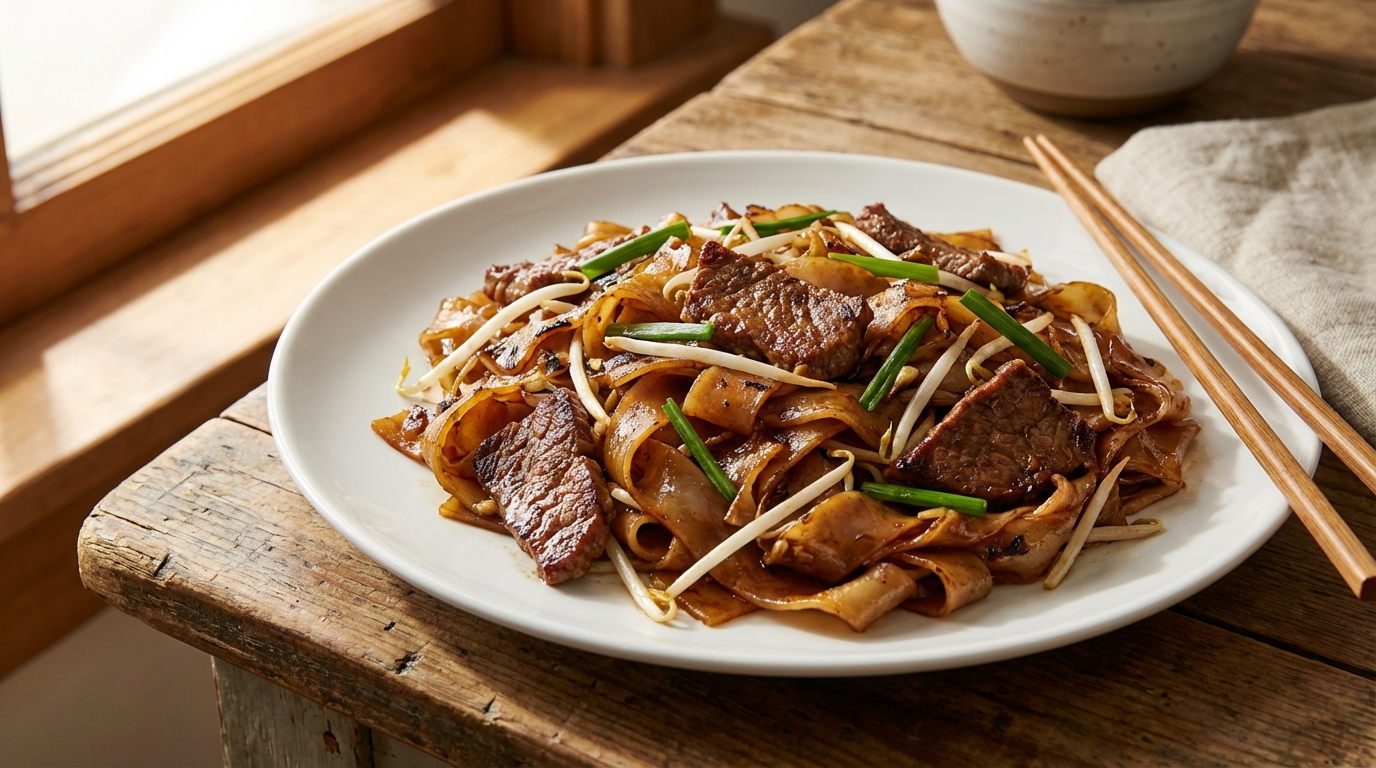
When you’re stir-frying chow fun noodles, you need the wok to be screaming hot so the noodles get that smoky char without turning into a soggy mess. Carbon steel gets there. When you’re making fried rice and you want each grain to be separate and slightly crispy, carbon steel delivers that heat. And when you toss in your beef and vegetables for beef tomato, the wok recovers its temperature almost instantly, so everything sears instead of steaming.
Carbon steel woks are also surprisingly affordable. A good one from a restaurant supply store will cost you less than a fancy non-stick pan, and it will outlast it by decades.
The only downside? Carbon steel requires seasoning and a little bit of care. But if you already have cast iron in your kitchen, you know the routine, it’s the same idea.
Stainless Steel: Durable but Different
Stainless steel woks are tough, dishwasher-safe, and don’t require seasoning. For some people, that convenience is worth it. But for Hawaiian stir-fry, stainless steel has some drawbacks.
Food sticks more easily to stainless steel, especially at the high temperatures stir-fry demands. You’ll use more oil, and you won’t get the same effortless toss and release that a seasoned carbon steel wok provides. Stainless is also heavier, which matters when you’re trying to flip and toss ingredients quickly.
That said, stainless steel woks work well for braising, making sauces, or cooking acidic dishes where carbon steel’s seasoning might be affected. If you already have a carbon steel wok for stir-fry and want a second wok for other tasks, stainless can fill that role.
Non-Stick: Convenient but Limited
Non-stick woks are tempting because they’re easy. Nothing sticks, cleanup is a breeze, and you don’t have to worry about seasoning. But for the kind of cooking we do in Hawai’i, non-stick has a major limitation: heat.
Most non-stick coatings start to break down above 500 degrees Fahrenheit, and good stir-fry requires temperatures well beyond that. If you can’t get your wok screaming hot, you won’t get the wok hei, that smoky, charred flavor that separates great stir-fry from mediocre stir-fry. You’ll end up with steamed vegetables and soggy noodles instead of the vibrant, slightly blistered results you’re after.
Non-stick woks are fine for gentle stir-fry or for someone who’s just starting out and wants something forgiving. But if you’re serious about making authentic local-style chow fun or fried rice, you’ll outgrow a non-stick wok quickly.
Flat Bottom vs. Round Bottom
This is one of the most important decisions, and it comes down to your stove.
Flat Bottom
If you cook on a standard home range, gas, electric, or induction, go with a flat bottom wok. It sits stable on the burner, makes direct contact with the heat source, and won’t wobble around while you’re trying to toss noodles. For 90% of home cooks, a flat bottom wok is the right call.
Flat bottom woks have gotten much better over the years. The flat area is usually small enough that you still get the sloped sides that make a wok a wok, that shape that lets you push cooked food up the sides while new ingredients sear in the center.
Round Bottom
Round bottom woks are the traditional shape, and they’re designed for high-powered wok burners that cradle the curved base in a ring of flame. If you have an outdoor wok burner or a commercial-style setup, a round bottom wok is good. The entire surface heats evenly, and the shape is perfect for the tossing motion that defines wok cooking.
But on a regular home stove, a round bottom wok is frustrating. It rocks, it doesn’t make good contact with the burner, and you lose a lot of heat. Even with a wok ring adapter, it’s not ideal. Save the round bottom for when you invest in an outdoor wok burner — which, by the way, is a game-changer for backyard cooking in Hawai’i.
What Size Should You Get?
For most home cooking, a 14-inch wok is the sweet spot. It’s big enough to stir-fry a full meal for four to six people without overcrowding, but not so huge that it overwhelms your burner. Overcrowding is the enemy of good stir-fry, when there’s too much food in the wok, the temperature drops and everything steams instead of searing.
If you primarily cook for one or two people, a 12-inch wok will work and is a bit easier to handle. But if you regularly cook for family or for potlucks (and in Hawai’i, that’s basically everyone), go with the 14-inch.
How to Season a New Carbon Steel Wok
Seasoning a new wok is a rite of passage. It’s not hard, but it takes a little patience. Here’s how I do it:
Step 1: Strip the Factory Coating
New carbon steel woks come with a protective coating to prevent rust during shipping. You need to remove it. Scrub the wok inside and out with hot, soapy water and a stainless steel scrubber. Some people boil water in the wok to help loosen the coating. Rinse and dry thoroughly.
Step 2: Heat and Oil
Place the clean wok on your burner over high heat. As it heats up, you’ll see the metal change color, it’ll turn from silver to a straw yellow, then to blue and eventually dark blue or brown. This is normal. That’s the steel oxidizing.
Once the wok is very hot, reduce the heat to medium. Add about two tablespoons of a high smoke-point oil — vegetable, canola, or grapeseed all work great. Use a wad of paper towels held with tongs to spread the oil across the entire interior surface. It will smoke. That’s fine.
Step 3: Cook Some Aromatics
This is my favorite part. Toss in a handful of sliced ginger, chopped scallions, and a few cloves of smashed garlic. Stir them around the entire surface of the wok for about 15 to 20 minutes over medium heat, pressing them into the sides to help distribute the oil and build up that initial layer of seasoning. The aromatics also help remove any metallic taste.
Discard the aromatics, wipe the wok clean, and give it one more thin coat of oil. Your wok is ready.
Ongoing Care
After each use, wash the wok with hot water and a soft brush. Avoid soap, it can strip the young seasoning. Dry it on the stove over heat, then give it a light wipe with oil. After a few weeks of regular cooking, the seasoning will be dark and solid, and your wok will become naturally non-stick.
The Right Wok Opens Up a World of Flavor
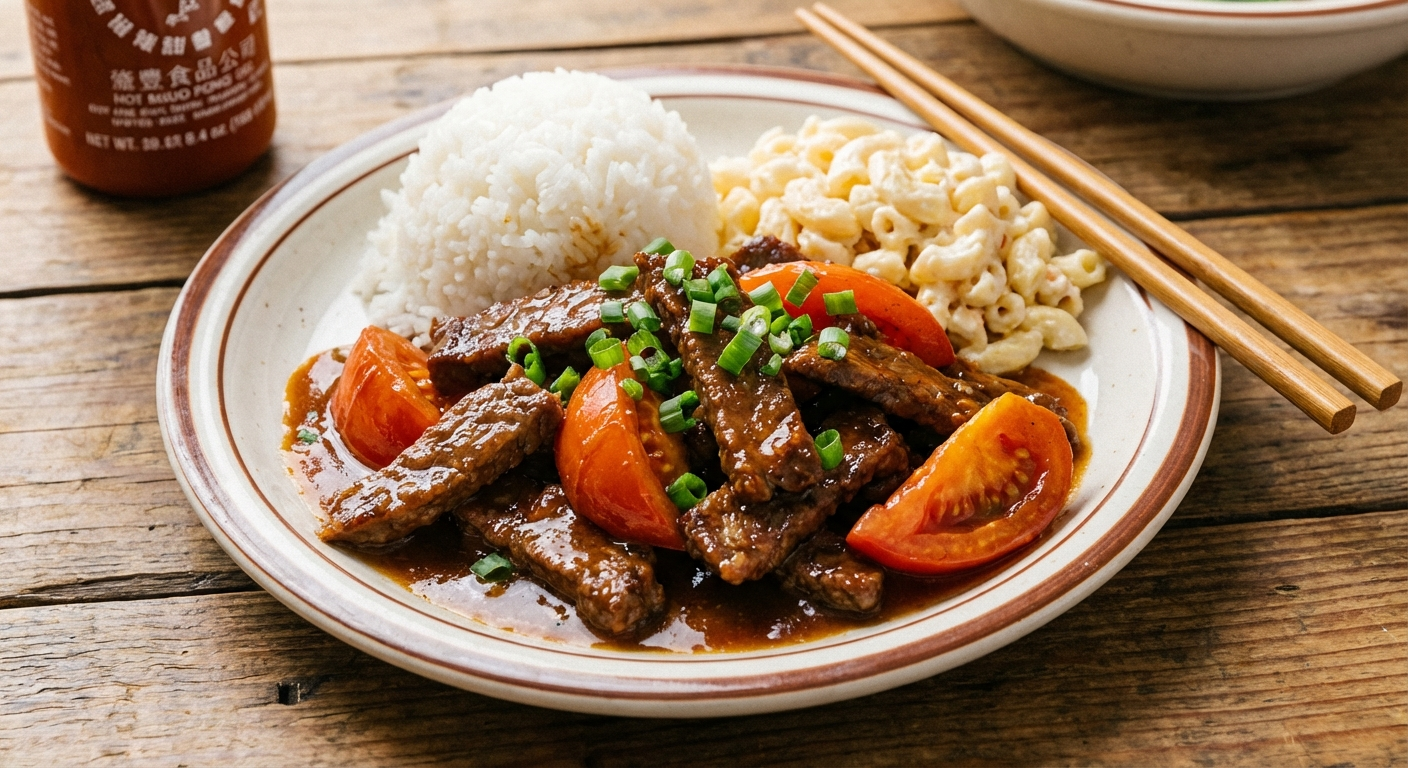
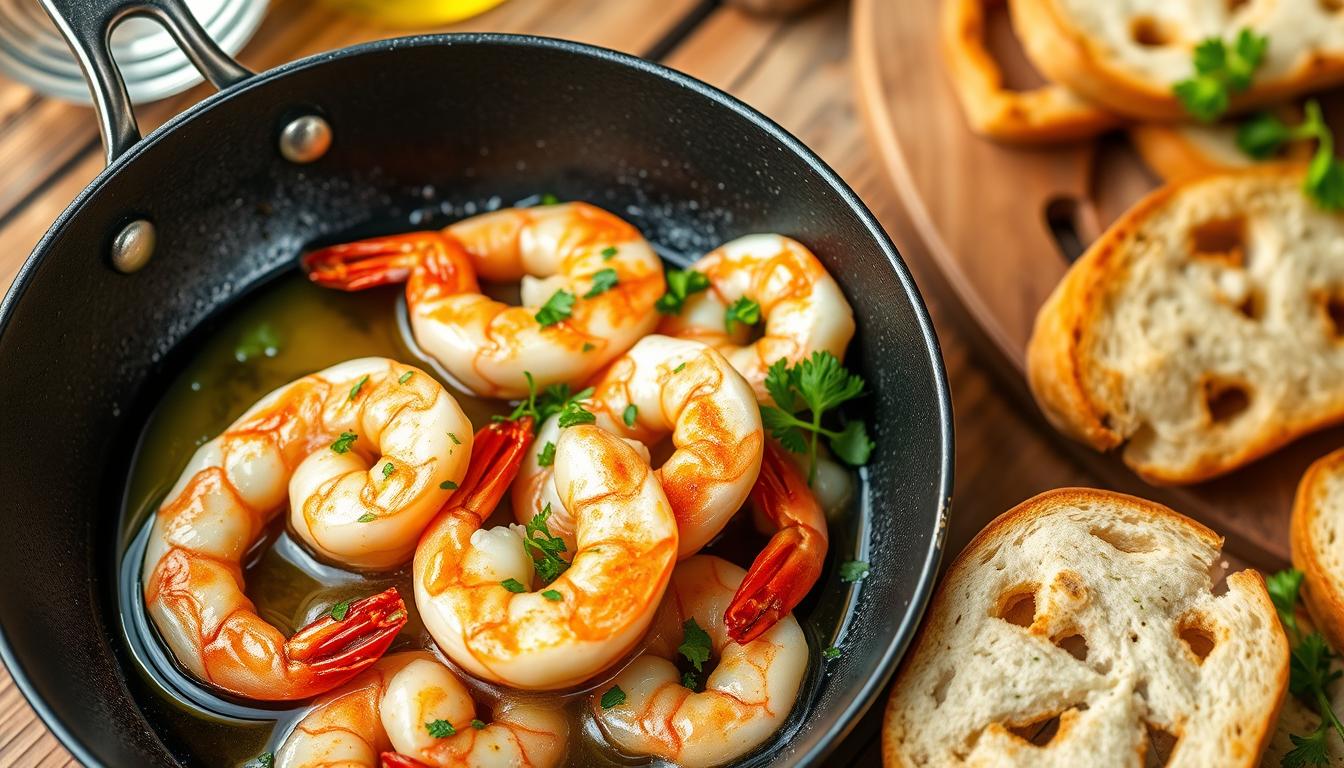
With a well-seasoned wok, the whole world of Hawaiian-Chinese cooking opens up. Crispy chow fun with that charred, smoky edge. Fried rice with perfectly separated, golden grains. Beef tomato with tender slices of flank steak and sweet, juicy tomato wedges in a savory sauce. Garlic shrimp tossed at high heat until just barely pink and coated in butter and garlic. Char siu vegetables with that sticky, sweet glaze.
These are the flavors of home, and a good wok is what brings them to life. Pick up a carbon steel wok, season it with care, and start cooking. Your stir-fry will never be the same.