Left side
Poke
Hawaii · ancient Hawaiian fish-and-salt preparation
Raw fish (traditionally ahi or octopus) cubed, dressed with sea salt, limu, kukui nut, and modern shoyu — served in a bowl over rice, eaten immediately, no curing.
Hawaii vs South America
Both are raw fish dressed at the table. The cure is the difference — poke is shoyu-marinated raw, ceviche is acid-cooked. They eat completely differently.
UPDATED APR 2026
Left side
Hawaii · ancient Hawaiian fish-and-salt preparation
Raw fish (traditionally ahi or octopus) cubed, dressed with sea salt, limu, kukui nut, and modern shoyu — served in a bowl over rice, eaten immediately, no curing.
Right side
Peru, Ecuador, Mexico · colonial-era Spanish-Andean blend
Raw fish or shellfish marinated in citrus juice (lime, lemon) for 10–30 minutes, which "cooks" the protein via acid denaturation, served with cilantro, onion, chili, sweet potato.
The headline difference: poke is raw, ceviche is acid-cured. When you eat a piece of poke ahi, the fish is genuinely raw — just dressed in salt and shoyu seconds before serving. When you eat ceviche, the fish has been bathing in lime juice for 15–30 minutes, which denatures the proteins and changes the texture from translucent-soft to opaque-firm. They are not the same technique.
The seasoning families are also different. Poke leans on shoyu, sesame oil, green onion, and chili — a Pacific-Asian palette. Ceviche leans on lime, cilantro, red onion, and aji or jalapeño — a Spanish-Andean palette. Even within "raw fish dish" the two are answering different questions about what raw fish should taste like.
Poke is raw fish. Ceviche is fish that has been cooked by lime. That single sentence is most of what you need to know.
You have very fresh fish and want to taste the fish. The seasoning is a frame, not a cure. Hawaii bowl format.
You want the citrus-cured texture and the South American acid-and-aromatic palette. Mid-day, hot weather, sweet potato on the side.
Read next
Recipes and guides on the CurtisJ side of the argument.
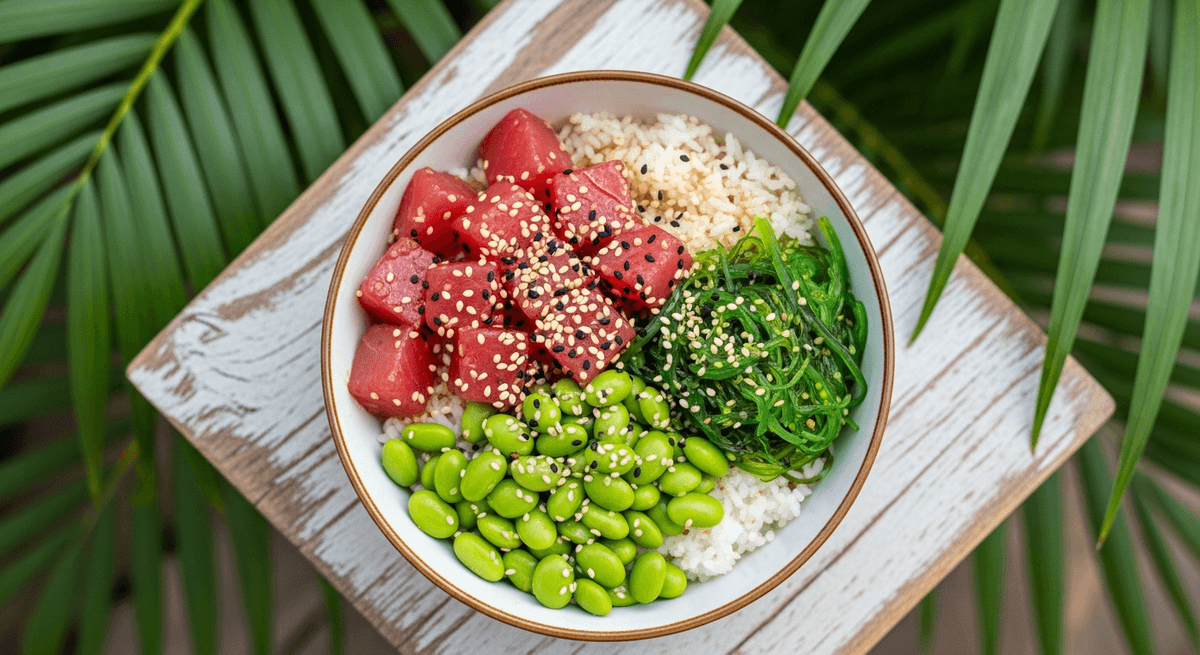
What poke actually is, where it comes from in Hawaii, and why the best versions stay simple once the fish hits the bowl.
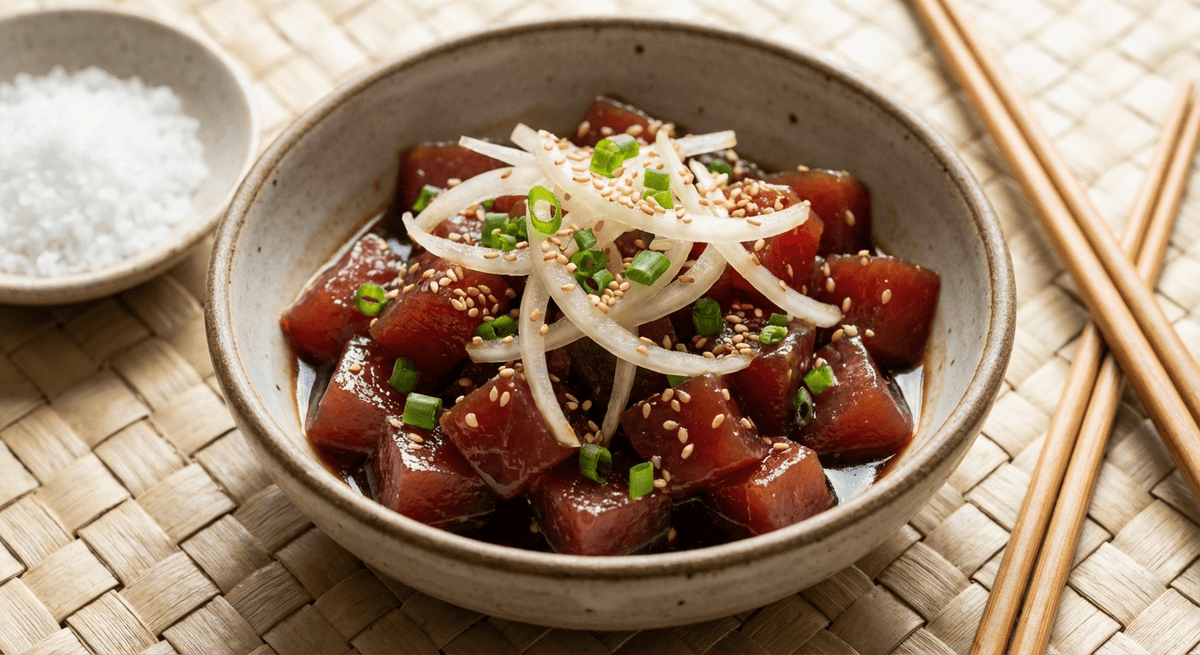
A guide to Hawaiian poke bowls that covers the fish, seasoning, rice, and toppings that make the bowl taste right, plus what to leave out.
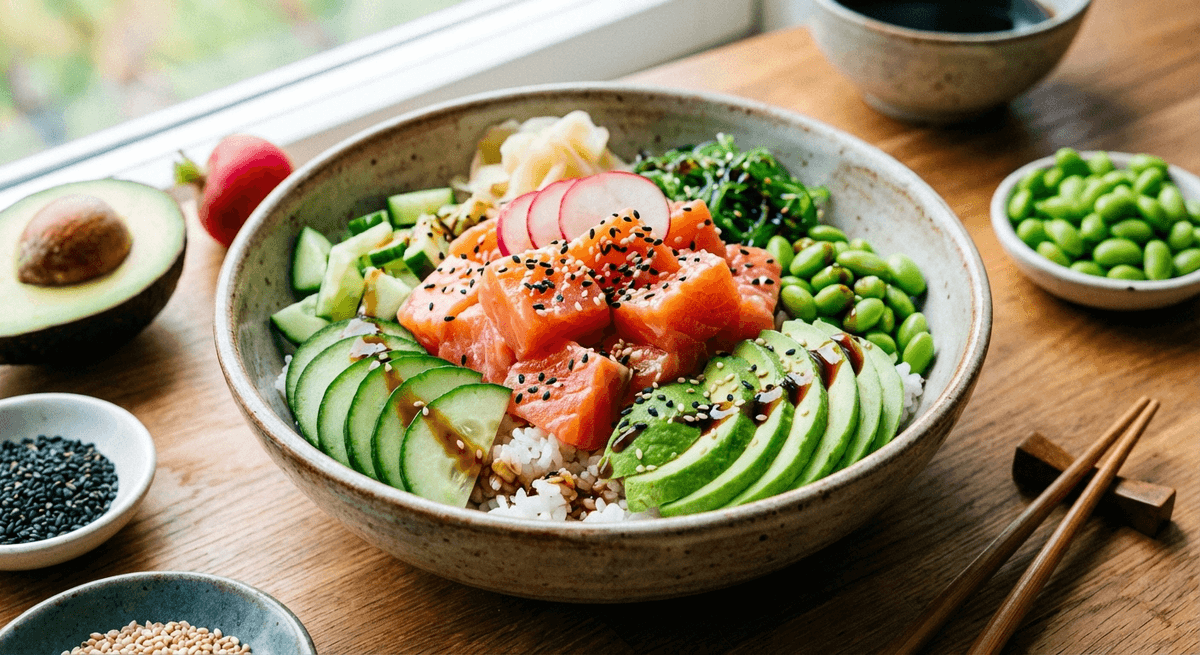
This loaded poke bowl with eel, spicy salmon, masago, mango, and crispy wontons proves there’s no limit to how creative your bowl can get.