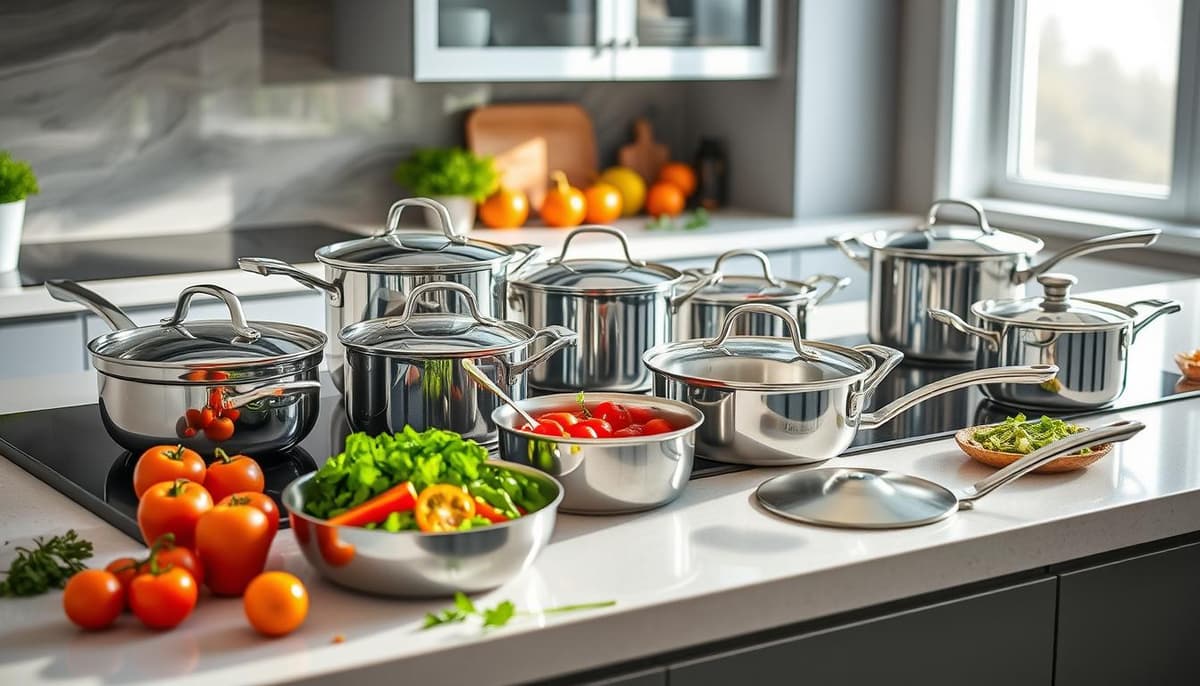
There’s a pan in my kitchen that has cooked more meals than I can count. It’s heavy, it’s dark, and it’s not much to look at. But my cast iron skillet is hands down the most important piece of cookware I own and if you cook Hawaiian food, I’d argue it should be the most important piece in yours, too.
Cast iron and Hawaiian cooking just make sense together. So much of what we cook depends on high heat, a great sear, and building layers of flavor in one pan. Cast iron delivers all of that, and it only gets better the more you use it.
The Loco Moco Sear
Let’s start with the dish that, for me, made the case for cast iron once and for all:loco moco.
A good loco moco lives or dies by the burger patty. You need a deep, dark, caramelized crust, the kind that shatters slightly when you cut into it, giving way to a juicy interior. That crust is everything. It’s what makes a loco moco feel like a real meal and not just a hamburger on rice.
You cannot get that sear in a non-stick pan. You just can’t. Non-stick doesn’t hold enough heat, and the coating prevents the Maillard reaction from doing its thing properly. But a ripping-hot cast iron skillet? It gives you that restaurant-quality crust every single time. Get your pan screaming hot, add a thin layer of oil, and lay that patty down. Don’t touch it. Let the cast iron work its magic for three to four minutes, then flip once. Perfect sear, every time.
Once the patty is done, you’ve got all those beautiful browned bits stuck to the pan — that’s fond, and it’s pure flavor. Deglaze with a little beef broth, add some soy sauce, Worcestershire, and a slurry of cornstarch, and you’ve just made the best brown gravy of your life. All in the same pan.
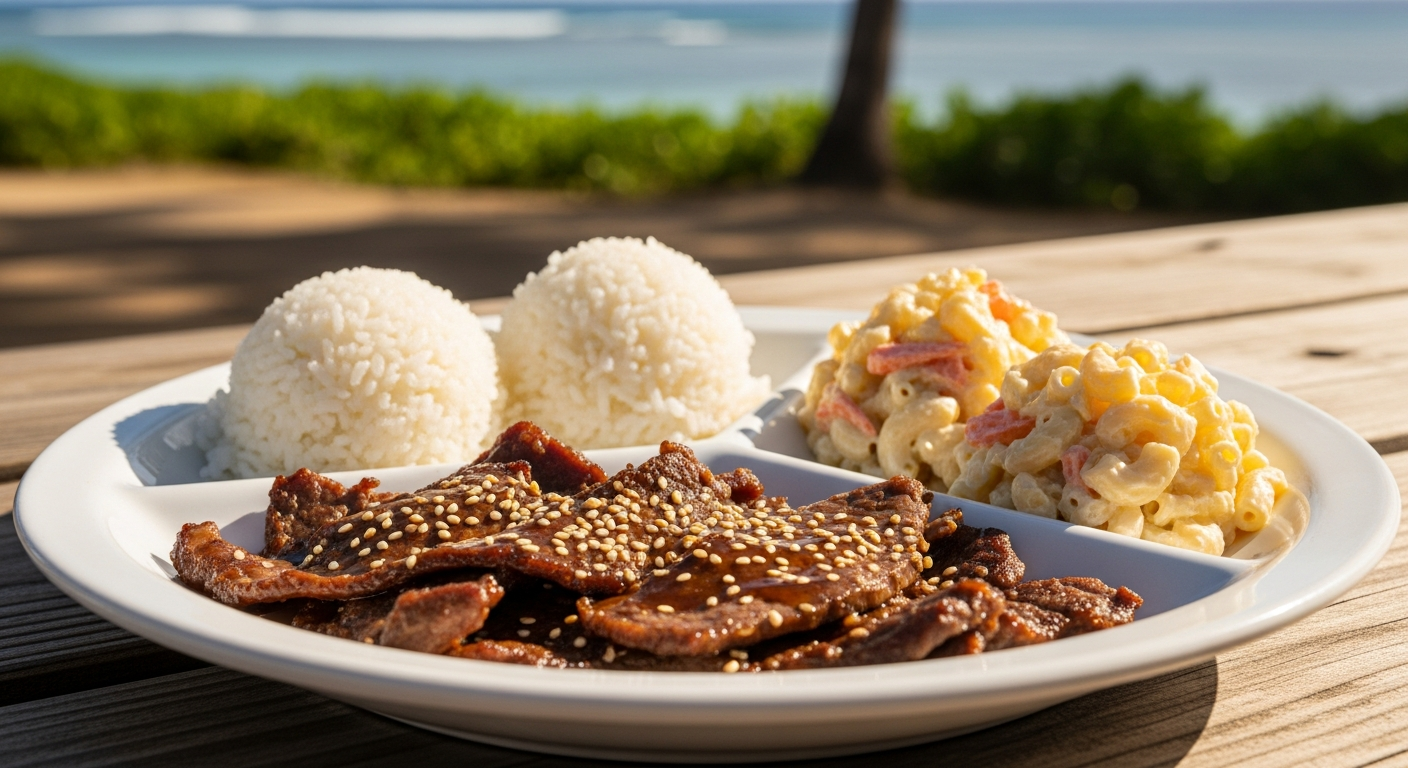
Crispy Spam and Eggs: The Local Breakfast
If you grew up in Hawai’i, your morning probably started with the smell of Spam sizzling in a pan. And if that pan was cast iron, you know how good it gets, the edges of each Spam slice turn golden and slightly crispy, with an almost caramelized sweetness.
Cast iron is perfect for this because it maintains consistent, even heat across the entire surface. No hot spots, no cold spots — just steady, reliable heat that crisps up every slice evenly. After the Spam comes out, fry your eggs in the rendered fat. The eggs get those gorgeous, lacy, crispy edges while the yolk stays perfectly runny. Scoop it all onto a bed of hot rice and drizzle a little shoyu on top. That’s breakfast done right.
Fried Rice with Real Wok Hei
I know what you’re thinking — fried rice belongs in a wok. And you’re not wrong. But here’s a secret that a lot of home cooks don’t talk about: most home stove burners don’t put out enough BTUs to get a wok hot enough for proper wok hei. That smoky, charred flavor that makesfried ricesing? It comes from extreme heat.
A cast iron skillet on a home burner actually holds and radiates more heat than a wok does on the same burner. So if you don’t have a high-powered wok burner, your cast iron might actually be the better tool for fried rice. Use day-old rice straight from the fridge, get your cast iron ripping hot, and toss in the rice. Let it sit and crisp for a minute before stirring. That’s how you get those golden, slightly crunchy rice grains that make fried rice addictive.
Add your Spam or char siu, frozen peas and carrots, a couple of eggs scrambled right in the pan, and finish with shoyu and sesame oil. It’s a complete meal that takes fifteen minutes.
Searing Fish and Proteins
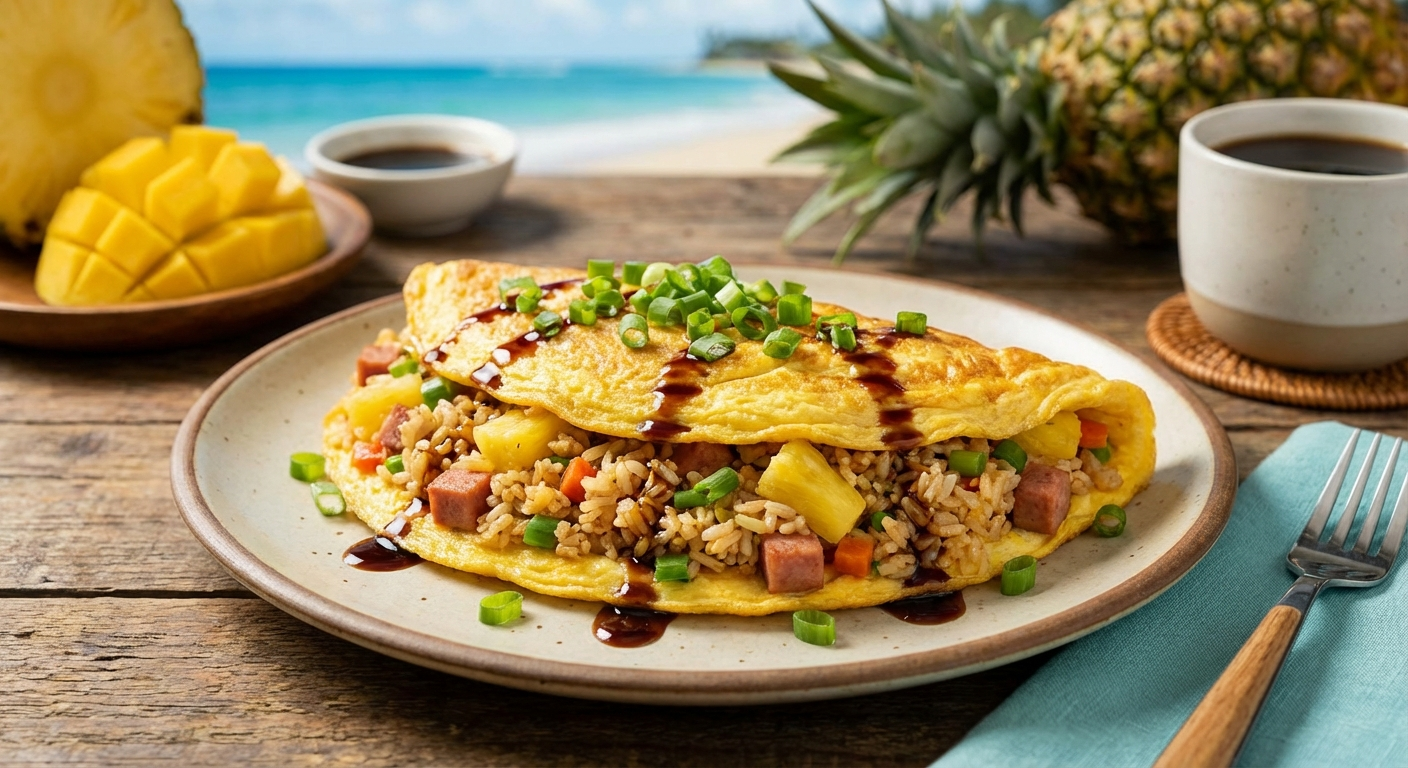
Whether you’re pan-searing ahifor a seared poke bowl, crisping up the skin on mahi mahi, or getting a golden crust on mochiko chicken, cast iron is your best friend. The heavy pan holds its temperature even when you add cold protein to it — that’s crucial for a proper sear. Lighter pans lose heat the moment food hits the surface, which means you end up steaming instead of searing.
For seared ahi, get your cast iron as hot as it will go. A light coat of high smoke-point oil, then lay the tuna in for about 30 to 45 seconds per side. You want a gorgeous dark crust with a cool, ruby-red center. Cast iron’s heat retention makes this almost foolproof.
Seasoning and Care: It’s Easier Than You Think
I think the biggest reason people shy away from cast iron is the maintenance. But honestly, once your skillet isproperly seasoned, taking care of it is simple. Here’s my routine:
Initial Seasoning
If you buy a new, unseasoned skillet (or if you need to re-season an old one), the process is straightforward:
- Wash the skillet with warm, soapy water. This is the one time soap is totally fine.
- Dry it completely — I put mine on the stove over low heat to make sure all moisture is gone.
- Apply a very thin layer of flaxseed oil or vegetable shortening to the entire surface, inside and out.
- Place it upside down in a 450-degree oven for one hour with a sheet pan underneath to catch drips.
- Let it cool completely in the oven.
- Repeat two or three more times for a solid base seasoning.
Daily Care
After cooking, while the pan is still warm:
- Rinse with hot water and use a stiff brush or chain mail scrubber to remove any stuck-on food.
- Dry completely on the stovetop over low heat.
- Apply a very thin layer of oil with a paper towel.
- That’s it. Done.
Forget everything you’ve heard about never using soap. A tiny bit of mild dish soap won’t strip a well-established seasoning. The seasoning is polymerized oil, it’s bonded to the metal. It’s tougher than people give it credit for. Just don’t soak it in water or throw it in the dishwasher, and you’ll be fine.
What Size to Get
If you’re buying your first cast iron skillet, go with a 12-inch. It’s big enough to sear two loco moco patties at once, make a full batch of fried rice, or cook breakfast for the family without crowding the pan. Crowding is the enemy of a good sear, you need space between items so steam can escape and the surface stays hot.
Once you’re hooked (and you will be), a 10-inch makes a great second skillet for smaller tasks, a couple of eggs, reheating leftovers, or making a quick pan sauce.
The Pan That Gets Better With Time
Here’s the thing I love most about cast iron: it rewards you for using it. Every time you cook, you’re adding to the seasoning. The pan gets slicker, more non-stick, and more flavorful over time. My grandmother’s cast iron skillet has decades of aloha baked into it — every batch of fried rice, every Spam slice, every loco moco patty has left its mark.
There’s something beautiful about a piece of cookware that carries the memory of every meal you’ve ever cooked in it. In a Hawaiian kitchen, where food is love and cooking is how we take care of each other, that feels exactly right.
So if you don’t have a cast iron skillet yet, go get one. Season it up, cook some Spam and eggs, make a loco moco, and start building your own story with it. Your kitchen, and your food, will be better for it. And once you’ve got your skillet dialed in, check out my guide tothe essential cookware for Hawaiian cookingto round out the rest of your collection.