Before you read
Give people options, not chaos.
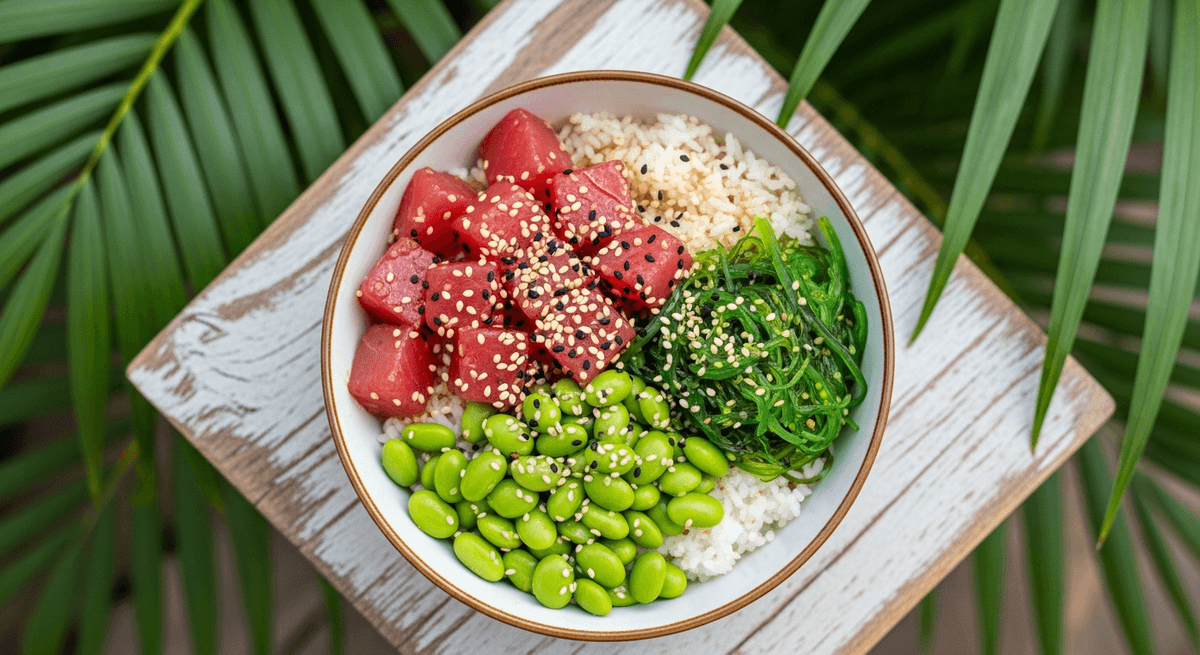
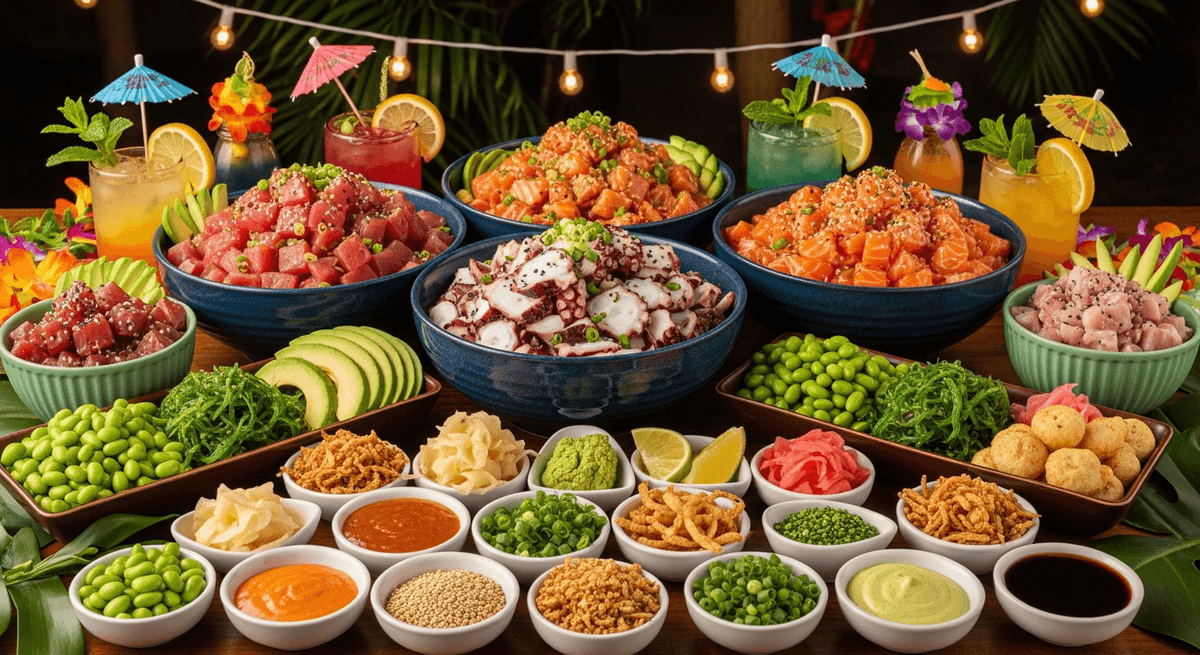
The best poke bar is generous without turning into a salad bar. CurtisJ's rule is clean fish, a few good toppings, hot rice nearby, and sauces that help instead of burying the seafood.
A poke bar is the Hawaiian equivalent of a taco bar — except better. Everyone builds their own bowl from a spread of fresh fish, toppings, and sauces. It’s interactive, impressive, and shockingly easy to pull off. No one needs to know it took you less time to prep than a regular dinner.
Whether you’re hosting abackyard partyfor 20 or a casual Friday dinner for 4, this guide covers everything: how much fish to buy, what toppings to set out, how to keep it all cold and safe, and how to scale for any crowd size.
Planning Your Poke Bar
How Much Fish Per Person
Plan for4–6 ounces of raw fish per personas the main protein. If you’re offering multiple proteins (ahi + salmon + shrimp), you can drop to 3–4 ounces per person since people will mix and match. Always buy a little extra — running out of fish at a poke bar is a cardinal sin.
Timing
- Day before:Shop for fish (if using the next day), prep sauces, make sushi rice seasoning mix.
- Morning of:Cook rice, slice vegetables, prep all toppings into small bowls.
- 1 hour before:Cube the fish (see ourfish cutting guide), toss proteins with their marinades, arrange the bar.
- 15 minutes before:Set out everything on ice, put rice in bowls, and you’re done.
The Base Station
Every great poke bowl starts with a foundation. Offer at least two options so guests can choose:
- Sushi rice: The classic choice. Season it with rice vinegar, sugar, and salt (see ourperfect rice guide). Serve at room temperature, not cold.
- Brown rice: A hearty, nutty alternative. Cook it ahead since it takes longer.
- Mixed greens: For guests who want a lighter bowl. Spring mix or shredded cabbage both work well.
- Zucchini noodles: A low-carb option that pairs surprisingly well with poke toppings.
Make more rice than you think you need. It’s the cheapest element and the first thing to run out. Plan 1 cup uncooked rice per person.
The Protein Station
This is the star of the show. Offer 2–3 protein options for variety. Pre-marinate them in different styles so guests get distinct flavors without having to build sauces from scratch.
Option 1: Classic Shoyu Ahi
Cube sashimi-grade ahi tuna into 3/4-inch pieces and toss with: soy sauce, sesame oil, a pinch of red pepper flakes, sliced green onion. This is theclassic poke preparationand the one everyone will gravitate to first.
Option 2: Spicy Salmon
Cube sashimi-grade salmon and toss with: sriracha mayo (2:1 mayo to sriracha), a squeeze of lime, diced jalapeño. Creamy, spicy, and universally loved. Similar to what you’d find in ourgourmet poke bowl.
Option 3: Cooked Shrimp
For guests who don’t eat raw fish. Use poached or steamed shrimp (peeled, deveined, chilled) tossed with ponzu, sesame oil, and a sprinkle of furikake. Accessible and still good.
Option 4: Tofu (Vegetarian)
Cube extra-firm tofu, press it dry, and marinate in shoyu-sesame dressing for at least 30 minutes. It won’t fool anyone into thinking it’s fish, but it absorbs the flavors beautifully and gives plant-based guests a real option.
The Toppings Matrix
Set these out in small bowls with spoons. You don’t need every single one — pick 3–4 from each category for a well-rounded spread.
Crunchy
- Furikake: the essential Hawaiian poke topping. Nori-sesame-salt seasoning that goes on everything.
- Macadamia nuts: coarsely chopped, adds a rich, buttery crunch.
- Wonton chips: buy pre-made or fry your own wonton wrappers. Shatter-crisp texture.
- Crispy fried onions: the kind from a can works perfectly. No judgment.
- Tobiko or masago: tiny fish roe that pops in your mouth. Visual wow factor.
Fresh
- Avocado: sliced or cubed. The poke bowl MVP.
- Cucumber: diced into small cubes for clean, cool crunch.
- Edamame: shelled, adds protein and bright green color.
- Mango: ripe, diced. Sweet contrast to the salty-savory fish.
- Green onion: thinly sliced on the bias.
- Jalapeño: thin rings for guests who want heat.
- Radish: thinly sliced for peppery bite and visual pop.
Sauces
- Shoyu-sesame: equal parts soy sauce and sesame oil. The classic.
- Spicy mayo: mayo + sriracha (2:1 ratio). Creamy heat.
- Ponzu: citrusy soy. Bright and light. Buy a good bottle.
- Sriracha: for guests who want straight heat.
- Wasabi: a small dish with a tiny spoon. A little goes a long way.
- Unagi sauce: sweet eel sauce for drizzling. Rich umami bomb.
Finishing Touches
- Sesame seeds: white and black for visual contrast.
- Nori strips: cut sheets into thin ribbons with scissors.
- Li hing mui powder: the go-to. Sprinkle on mango or cucumber for a sweet-salty-sour Hawaiian twist.
- Pickled ginger: palate cleanser between different protein tastings.
Presentation and Setup
A poke bar should look abundant and inviting. Here’s how to set it up:
- Flow:Arrange left to right in building order — bases → proteins → fresh toppings → crunchy toppings → sauces → finishing touches. This prevents traffic jams.
- Keep fish cold:Set protein bowls inside larger bowls filled with crushed ice. Replace ice every 45 minutes to an hour. Raw fish should never sit above 40°F for more than 2 hours.
- Label everything:Small cards or labels for each topping. This helps guests with allergies and eliminates the “what’s that?” bottleneck.
- Provide good bowls:Wide, shallow bowls are better than deep ones — they show off the toppings instead of burying them.
- Stack plates and chopsticksat the start of the line, with forks as backup.
Scaling for a Crowd
| Guests | Fish (total) | Rice (uncooked) | Toppings | Sauces |
|---|---|---|---|---|
| 4 | 1.5 lbs | 4 cups | 8–10 items | 3–4 options |
| 8 | 3 lbs | 8 cups | 10–12 items | 4–5 options |
| 12 | 4.5 lbs | 10 cups | 12–15 items | 5–6 options |
| 20 | 7 lbs | 16 cups | 15+ items | 6 options |
Budget tip:Stretch expensive ahi by offering two proteins, a premium ahi option and a more affordable spicy salmon or cooked shrimp. Most guests will take some of each, reducing your ahi usage.
Drink Pairings
A poke bar calls for drinks that are light, tropical, and won’t overpower the fish:
- Beer:A crisp lager or pilsner. Kona Brewing’s Big Wave Golden Ale is the local go-to.
- Wine:Dry Riesling or Grüner Veltliner. Light, slightly sweet, with enough acid to cut through the richness.
- Cocktails:A batch ofBlue HawaiisorMango Mai Taisset the mood perfectly.
- Non-alcoholic:Haupia smoothiesoriced Kona coffeekeep things island-style.
Make It Happen
A poke bar looks like a production, but most of the work is just cutting and arranging. The fish takes 20 minutes to cube and marinate. The rice handles itself. The toppings are mostly wash-and-chop. If you can make apoke bowlfor one, you can set up a bar for a dozen — just multiply.
Start with ourguide to pokeif you’re new to the dish, grab the best fish you can find (ourHawaiian fish guidewill help), and let your guests do the rest. The best part of a poke bar is that no two bowls are the same and everyone thinks they made the best one.