Before you read
Pupu culture has always moved.
There is no frozen, museum-perfect pupu table that Hawaii is supposed to preserve forever. The table changes because Hawaii changes, and because local food has always been shaped by what people bring, borrow, and keep. The useful question is not whether pupus changed. It is whether the table still feels generous, mixed, and unmistakably local.
Hawaii food does not sit still. The pupu table your grandparents set in the 1970s looked different from the one their parents set in the 1940s, and the one you will put out this weekend looks different from both. That is not a loss of tradition. It is the tradition. The history of pupus is a story of absorbing new flavors, new techniques, and new cultures while keeping the core spirit intact: share, feed everyone, and make it good.
So what counts as "traditional" versus "modern"? Here is how the table has shifted and what has not changed at all.
What counts as a traditional pupu
When locals say "traditional pupus," they mean the dishes that have been on the table for at least two or three generations. The ones your grandparents made, your parents made, and you grew up eating without asking. Two waves:
The ancient originals
Native Hawaiian foods that predate Western contact, rooted in the ocean and the land:
- Hawaiian-style poke: fresh-caught fish, sea salt, limu, kukui nut (inamona). No soy sauce, no sesame oil, no sriracha. Fish and ocean flavors only. This is pupu in its oldest form.
- Pipikaula: Hawaiian dried beef from the paniolo (cowboy) era. Salt-cured, sun-dried, then pan-fried or grilled. On the pupu table since Hawaiian ranching began in the early 1800s.
- Lomilomi salmon: technically post-contact (salmon arrived via Pacific Northwest trade) but the lomi technique of massaging ingredients together by hand is Hawaiian. This cold tomato-and-salmon side has been on luau tables for over a century.
The plantation-era classics
These arrived with immigrant communities between the 1850s and 1940s and have been local food for so long that nobody thinks of them as anything else:
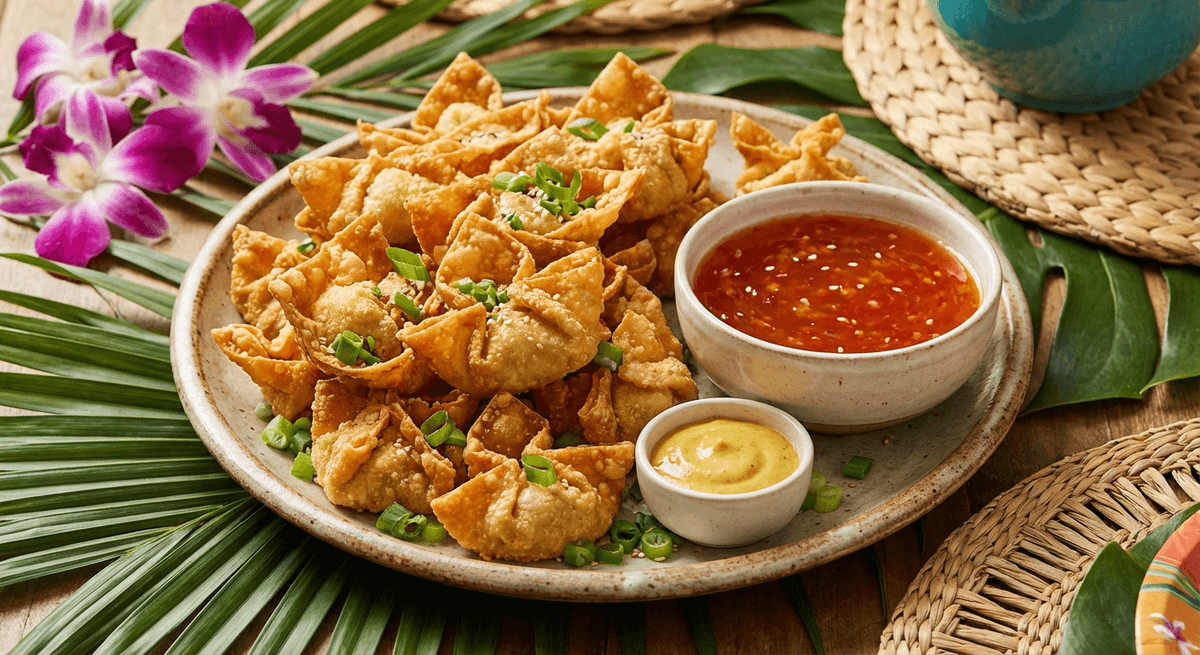
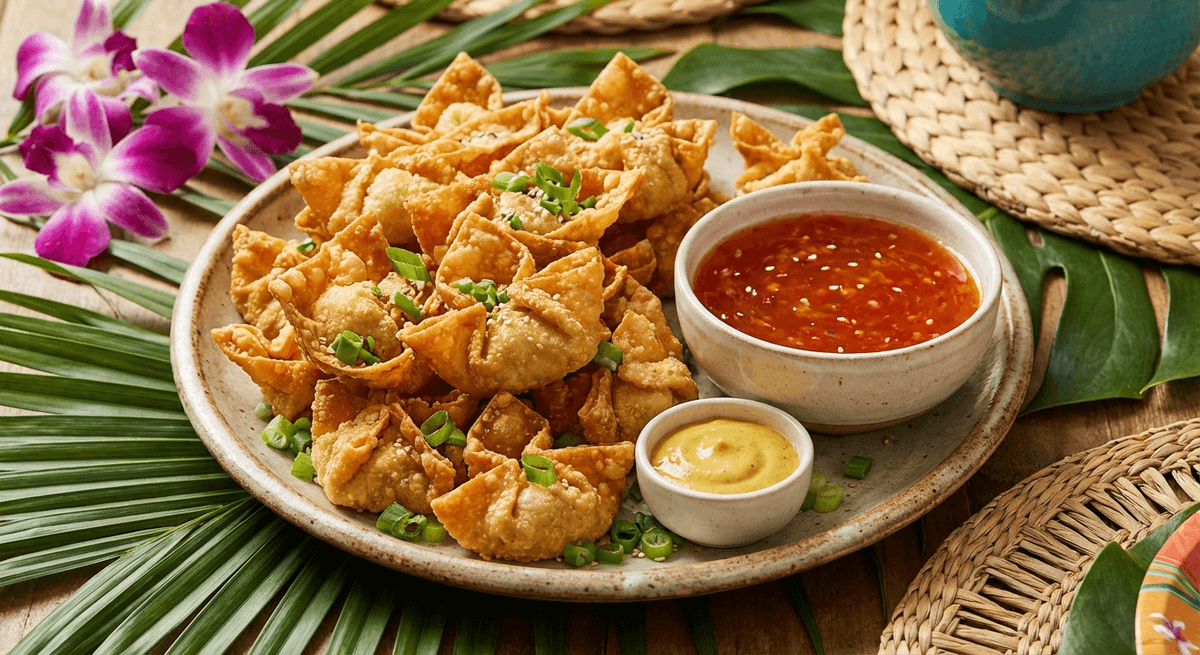
- Fried wontons: Chinese immigrants brought the wonton and it became the pupu every aunty makes for every party. Golden, crispy, pork-filled, served with hot mustard. Unchanged for decades because the recipe was right the first time. See also our easy pupu recipes.
- Spam musubi: born from Japanese onigiri technique and American Spam during WWII. Only about 80 years old, but embedded so deeply in local culture that it feels ancient. Rice, glazed Spam, nori. The classic is the standard.
- Mochiko chicken: Japanese-Hawaiian fried chicken using sweet rice flour (mochiko) for a crisp, glassy crust. Has been the potluck fried chicken of Hawaii for generations. Try to change the recipe and see what happens.
- Lumpia: Filipino spring rolls that arrived with plantation workers in the early 1900s. Thin, tight, shatteringly crisp. Every Filipino family's recipe is slightly different and every one is correct.
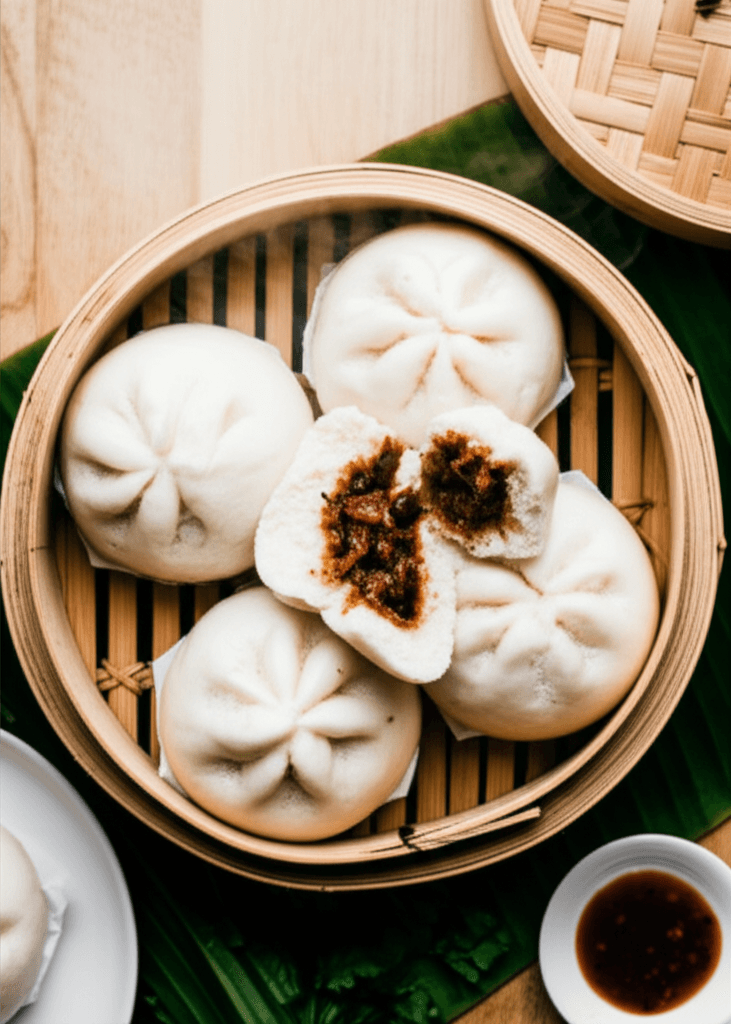
- Manapua: Chinese-Hawaiian steamed buns with char siu pork. The name itself (a contraction of the Hawaiian mea ʻono puaʻa, roughly "savory pork thing") tells you how Hawaii adopts food: name it for what matters and claim it.
The modern wave
Starting in the 2000s and accelerating with social media, a new generation of Hawaii cooks and chefs began pushing the pupu table in new directions. The flavors stayed rooted. The presentations, combinations, and techniques changed.
Fusion and cross-cultural mash-ups
Where the plantation-era pupus kept each culture's contributions mostly intact, modern pupus blend them on purpose:
- Poke nachos: Hawaiian poke over wonton chips with spicy mayo and eel sauce. Did not exist 20 years ago. Now disappears first at parties.
- Ahi poke stacks: deconstructed poke bowl presented as a vertical tower with avocado, crispy wontons, and drizzles. Restaurant technique at the home table.
- Bacon avocado spam musubi: classic musubi with smoky bacon, creamy avocado, sriracha mayo. A musubi variation that would have been unthinkable to the generation that invented the original.
- Korean fried chicken wings: Korean flavors have been in Hawaii since 1903, but the double-fried, gochujang-glazed wing as a dedicated pupu is a modern move — borrowed from Korean street food and adapted for the local party table.
Plated presentations
Traditional pupus were served on foil trays and paper plates. Modern pupus often get the restaurant treatment:
- Lomi salmon on taro chips: lomilomi salmon reimagined as Hawaiian bruschetta. Same ingredients, different format. Photographs well and introduces the classic to people who would not try a bowl of it on its own.
- Ahi katsu: panko-crusted seared ahi that used to live only on restaurant menus. Now a home pupu served on a slate board with wasabi and microgreens. Traditional Japanese technique; modern presentation.
- Coconut shrimp: not Hawaiian in origin but adopted by island cooks, paired with tropical dipping sauces and served alongside local classics.
The social media effect
Instagram and TikTok did not invent new pupus. They accelerated the trend toward photogenic food. Poke stacks exist partly because they look good from above. Rainbow pupu spreads get shared because they photograph well. That is not bad. It just means modern pupus often consider visual impact alongside flavor in ways traditional ones never did. Your grandma's fried wontons tasted right and looked like a pile of fried wontons. Both approaches belong.
Traditional vs modern, side by side
| Traditional | Modern Evolution | What Changed |
|---|---|---|
| Hawaiian-style poke (sea salt, limu, kukui nut) | Poke nachos, poke stacks, spicy ahi bowls | Presentation, toppings, fusion |
| Classic spam musubi (rice, Spam, nori) | Bacon avocado musubi, kimchi cheese musubi | Added ingredients, flavor layering |
| Lomilomi salmon (bowl, served with poi) | Lomi salmon on taro chips (individual bites) | Format, portability |
| Fried wontons (pork filling, hot mustard) | Still the same | Nothing. The recipe was right the first time. |
| Hurricane popcorn (butter, furikake, arare) | Still the same | Nothing. Same reason as wontons. |
The pattern: the traditional pupus people keep making either evolved through presentation and fusion, or they did not change at all. Nobody has improved on fried wontons. Nobody has improved on hurricane popcorn. And nobody has improved on a properly made classic spam musubi. The modern versions are additions to a table that keeps getting bigger, not replacements.
What has not changed
For all the evolution in flavors and presentations, the core of the pupu tradition is what it has always been:
- Generosity. Make more than you need. Always. Traditional wontons or stacked poke, the rule is the same: no one leaves your table hungry.
- Sharing across cultures. The best pupu tables still feature multiple traditions side by side. A modern spread might add Korean fried chicken and poke nachos, but lumpia, musubi, and fried wontons still sit right next to them.
- Community over formality. Pupus are served on the kitchen counter, not in individual plated courses. People stand around, grab with their hands, and talk story.
- Everyone contributes. At a Hawaiian party, the host provides the anchor dishes and everyone else fills in the gaps. Modern potlucks work the same way plantation-era ones did.
That is the real tradition. Not any specific recipe, but the spirit behind all of them: the pupu table is where you show aloha. Your grandmother's wontons or a poke nacho platter you saw on Instagram — the point is the same: feeding people is how you show love.
For the full recipe collection, traditional and modern, see the Hawaiian Pupus Guide.
Frequently asked questions
What are traditional Hawaiian appetizers?
Traditional Hawaiian appetizers (pupus) split into two categories. Ancient Native Hawaiian foods like poke (seasoned raw fish), pipikaula (dried beef), and lomilomi salmon. Plantation-era classics like spam musubi, mochiko chicken, fried wontons, lumpia, and manapua that arrived with immigrant communities between the 1850s and 1940s. All are considered traditional because they have been part of Hawaii food culture for multiple generations.
How have Hawaiian pupus changed over time?
Primarily through fusion and presentation. Traditional pupus kept each culture's contributions mostly distinct (Japanese mochiko chicken, Chinese wontons, Filipino spring rolls). Modern pupus blend traditions on purpose: poke nachos combine Hawaiian fish with Mexican-style chips; bacon avocado musubi adds mainland ingredients to a Japanese-Hawaiian classic; lomilomi salmon gets reimagined as individual bites on taro chips. The core values of generosity and sharing have not moved.
What is the difference between traditional and modern poke?
Traditional Hawaiian-style poke uses only a few ingredients: fresh-caught fish cubed and seasoned with sea salt, limu, and kukui nut. No soy sauce, no sesame oil, no spicy mayo. Modern poke adds Japanese influences (shoyu, sesame), mainland additions (avocado, sriracha mayo), and new presentation formats like poke nachos, poke stacks, and poke bowls with rice and toppings. Both belong. They are different expressions of the same tradition.
Which traditional pupus are still popular today?
All of them. Spam musubi, fried wontons, mochiko chicken, lumpia, poke, hurricane popcorn, manapua, and lomilomi salmon are all staples at every Hawaii gathering. Some — like fried wontons and hurricane popcorn — have not changed because the recipe was right the first time. Others like poke and spam musubi now exist in both classic and modern versions; the traditional recipes have not disappeared, they have just been joined by new variations.
Are modern pupus considered authentic Hawaiian food?
Yes. Hawaii food has always absorbed new influences and made them local. Spam musubi, now the signature Hawaii snack, was a modern invention in the 1940s. Mochiko chicken was a Japanese-Hawaiian fusion. Lumpia came from the Philippines. Every generation adds to the table and those additions become traditional over time. Today's poke nachos and bacon avocado musubi are on the same path that made fried wontons and spam musubi traditional.