Before you cook
The leaves are not packaging. They are part of the dish.
Laulau makes more sense once you stop seeing it as a bundle to unwrap and start seeing it as a slow-cooked system. CurtisJ's take is that the taro leaves, ti leaves, pork, and butterfish all matter to the final bite.
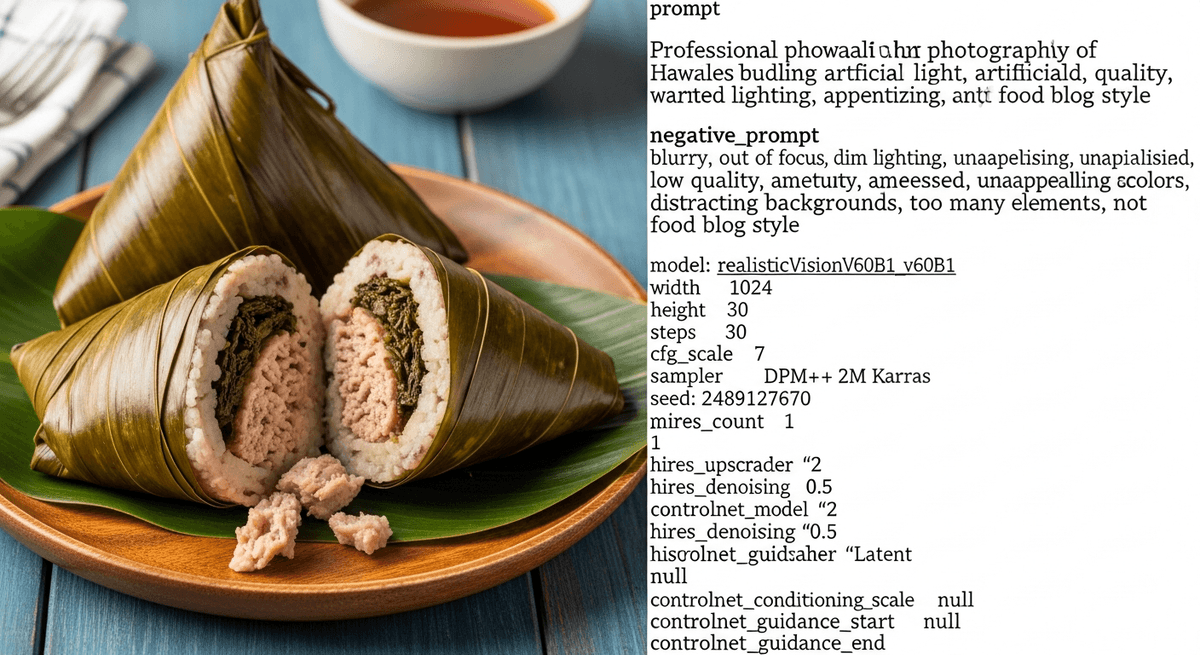
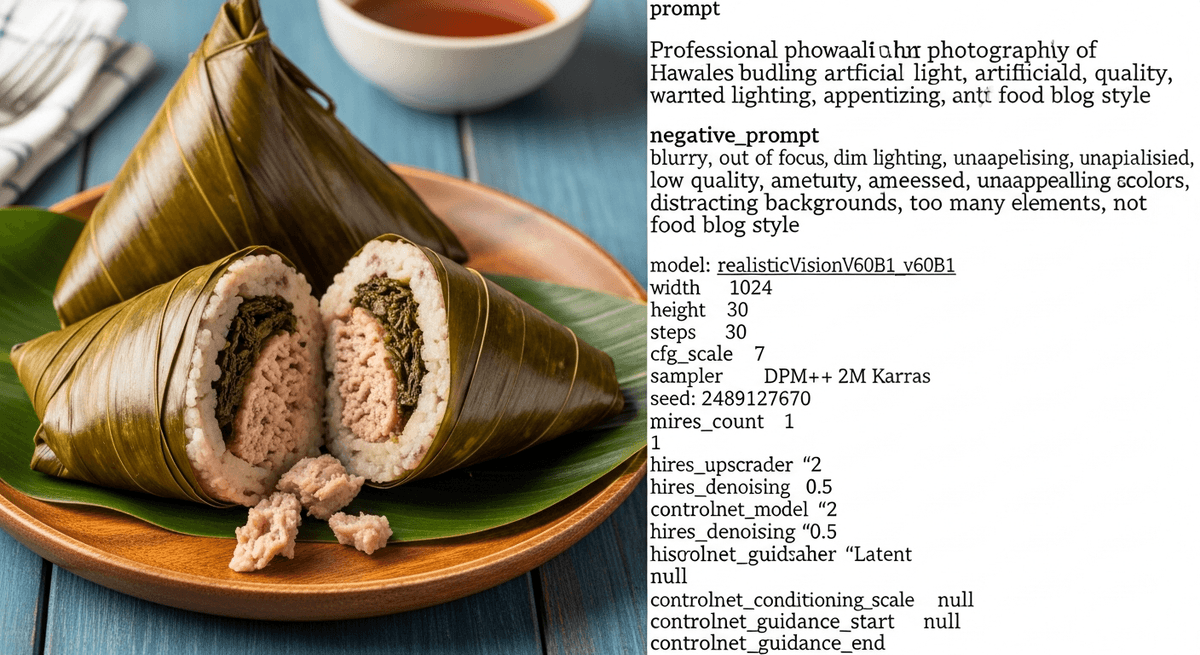
Laulau is one of the oldest and most traditional Hawaiian dishes — pork and salted butterfish wrapped in taro leaves, then wrapped again in ti leaves and steamed for hours until everything is tender, earthy, and falling apart. It’s the kind of food that connects you directly to ancient Hawaiian cooking, and it’s been a centerpiece of luaus and family meals for centuries.
If you’ve never had laulau, imagine the most tender, deeply flavored pork you’ve ever eaten, infused with the mineral, slightly spinach-like flavor of steamed taro leaves, all bundled into a neat package that unwraps like a gift. It’s simple, elemental cooking — just meat, leaves, salt, and time.
Laulau in 30 Seconds
The word “laulau” means “leaf leaf” in Hawaiian, a reference to the double wrapping technique that defines the dish. The inner layer is luau (taro) leaves, which break down during steaming and become silky and tender, almost dissolving into the meat. The outer layer is ti leaves, which act as a natural steaming vessel and aren’t eaten.
Inside, you’ll find pork (traditionally fatty cuts), salted butterfish, and sometimes chicken. The salt from the fish seasons the pork, the fat from the pork bastes everything, and the taro leaves add an earthy, green depth that ties it all together.
Taro Leaves (Luau)
The taro leaf is the soul of laulau. Raw taro leaves contain calcium oxalate, which causes an itchy, burning sensation if eaten uncooked, but hours of steaming breaks this compound down completely, leaving behind tender, silky greens with a flavor similar to spinach but earthier and more complex.
If you can’t find fresh taro leaves, frozen ones work well. Some people substitute spinach or Swiss chard in a pinch, but the flavor won’t be quite the same. For the full rundown on Hawaiian ingredients and where to find them, check the Hawaiian Ingredients Guide.
Ti Leaves
Ti leaves (lā’ī in Hawaiian) are the outer wrapper. They’re not eaten, they serve as a natural steaming pouch that holds everything together and keeps the moisture in. Ti plants grow abundantly in Hawaii and have deep cultural significance beyond cooking.
If you can’t find ti leaves, aluminum foil works as a substitute for the steaming function, though you lose the subtle aroma the ti leaves contribute.
The Filling
Traditional laulau filling is pork and salted butterfish. The pork is typically fatty, pork butt or belly, because the fat renders during steaming and keeps everything moist. The butterfish (black cod) is salted, and its rich, oily flesh seasons the pork from within.
Some versions include chicken, and modern takes might use only fish for a lighter laulau. But the pork-butterfish combination is the classic.
How Laulau Is Made
The traditional method is straightforward but requires patience:
- Prepare the filling. Season pork chunks with Hawaiian sea salt. Cut salted butterfish into pieces.
- Wrap in taro leaves. Place pork and fish on a stack of 3-4 taro leaves, fold and wrap tightly into a bundle.
- Wrap in ti leaves. Place the taro leaf bundle on 2 ti leaves and wrap again, creating a sealed package. Tie with kitchen string or strips of ti leaf.
- Steam for hours. Traditionally cooked in an imu (underground oven) alongside kalua pig. At home, a steamer or slow cooker works for 4-6 hours. The long cooking time is essential, it breaks down the taro leaves and makes the pork incredibly tender.
For the complete step-by-step recipe with detailed instructions and tips, see the full Laulau Recipe.
What Does Laulau Taste Like
If you’ve never had it, laulau is hard to compare to anything else. The pork is impossibly tender from hours of steaming, it shreds at the touch of a fork. The taro leaves have mostly dissolved into a silky, dark green layer that coats the meat with an earthy, mineral flavor. The butterfish adds richness and a subtle brininess throughout.
The overall effect is deeply savory, earthy, and comforting. It’s not spicy, not sweet — just pure, elemental flavor from meat and leaves and salt and time. The simplicity is the whole point.
When and Where to Eat Laulau
Laulau is a fixture at:
- Luaus: it’s one of the essential dishes on any traditional luau table, alongside kalua pig, lomi salmon, poi, and chicken long rice
- Hawaiian food restaurants: Helena’s Hawaiian Food in Honolulu and Highway Inn are famous for their laulau
- Plate lunch counters: available as a protein option at many plate lunch spots
- Family gatherings: often made in large batches for parties and holidays
Making Laulau at Home
The biggest challenge is finding taro leaves and ti leaves. If you live near an Asian grocery or Hawaiian market, you may find them fresh or frozen. Otherwise, online ordering is your best bet.
A slow cooker or Instant Pot makes home laulau practical, you don’t need an imu. The key is giving it enough time. Four hours is the minimum, six is better. The taro leaves need to fully break down, and the pork needs to reach that fall-apart stage.
Get the full recipe: Traditional Hawaiian Laulau
Explore More Traditional Hawaiian Food
- Laulau Recipe, The complete step-by-step guide
- Kalua Pig — Another imu classic, made easy in the oven
- Squid Luau — Squid simmered in coconut milk with taro leaves
- Poi, The ancient Hawaiian staple made from taro root
- Lomilomi Salmon — Salted salmon massaged with tomato and onion
- Pipikaula — Hawaiian dried beef from the paniolo tradition
- The Plate Lunch Guide, Where all these traditions come together on one plate
- Hawaiian Ingredients Guide, Where to find taro leaves, ti leaves, and more