Before you pour
Hawaii heat is a condiment, not a performance.
The local way with chili peppers is not about Scoville records or mouth-blowing heat. It is about the drops that wake up a bowl of rice, the splash that cuts the fat on a plate of kalua pork. Heat in Hawaii cooking enhances; it does not dominate.
I still remember the first time I grabbed the wrong bottle off my grandma's kitchen table. I was maybe six, pouring what I thought was water onto my rice. One bite and my mouth was on fire — tears streaming, nose running. My uncle laughed and said, "Eh, now you one real local." That bottle of chili pepper water had been sitting on Grandma's table so long it was practically a family member. No label, no fancy packaging, just an old recycled shoyu bottle filled with heat.
That is the thing about heat in Hawaii cooking. It is not about chasing Scoville records like you see on the mainland. It is about the little kick that ties everything together: a few drops on laulau, a splash on rice and eggs in the morning, a shake over a poke bowl. Hawaiian chili peppers and the sauces we make from them are as structural to local food as rice and mac salad. Most people outside the islands have never heard of chili pepper water.
So let us talk story about Hawaii's source of heat — the peppers, the sauces, and why a recycled bottle of spicy water is one of the most useful things in any local kitchen. If you are stocking the essential Hawaiian pantry, this is the condiment that ties it all together.
The Hawaiian chili pepper: small, direct, fruity
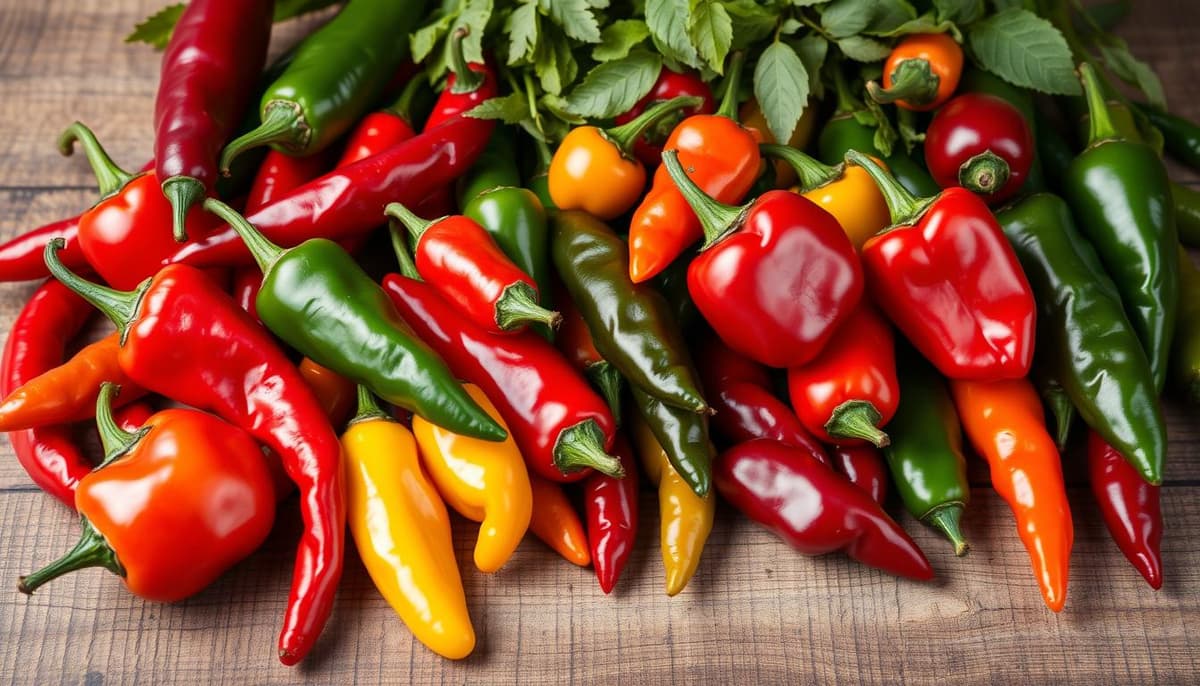
The Hawaiian chili pepper — sometimes called the Hawaiian bird's eye chile or simply "Hawaiian chile" — is a tiny powerhouse that has been growing across the islands for centuries. Brought by early Polynesian voyagers, these peppers have naturalized so well that they grow wild in backyards, along hiking trails, and in the cracks of old lava rock walls from Kailua-Kona to Hana.
Do not let the size fool you. These peppers are small, usually less than an inch long, but they pack serious heat — typically 50,000 to 100,000 Scoville Heat Units. That puts them up there with Thai bird's eye chiles and well above a jalapeño, which tops out around 8,000 SHU. They start green and ripen to a bright red, and both stages show up in cooking.
What makes them distinct
Hawaiian chili peppers taste different from other hot peppers. Beyond the heat, there is a fruity, slightly smoky quality that you do not get from a serrano or a cayenne. The heat hits clean and direct — it builds fast but does not linger the way habanero heat does. That clean burn is the reason they work so well in chili pepper water, where you want the heat to complement food rather than overwhelm it.
You see these peppers in gardens across Hawaii. My aunty in Waianae has bushes that have been growing for over twenty years. She lets them do their thing, picks what she needs, and the plants keep producing year-round in the tropical climate. Sharing peppers from your garden is a common gesture of aloha. Someone always has extra.
How to grow Hawaiian chili peppers
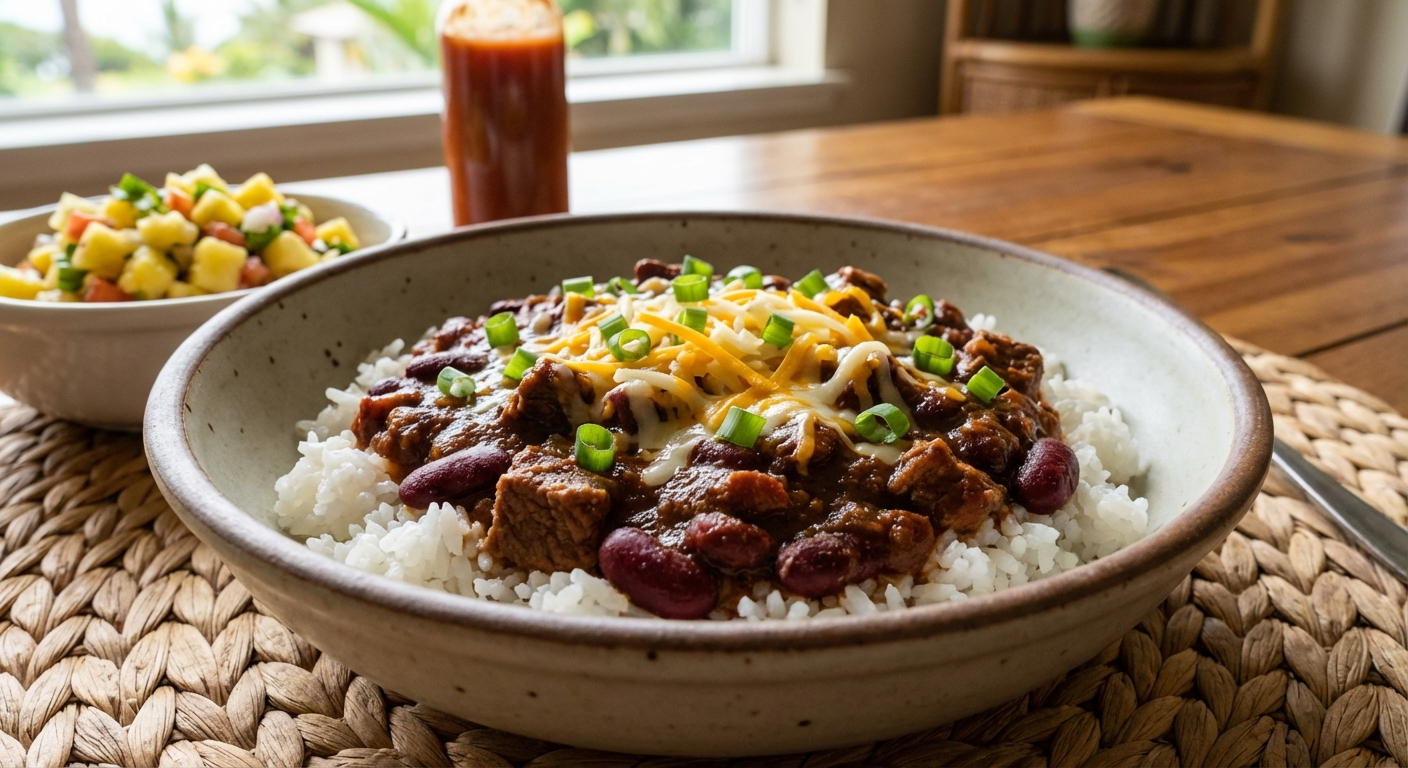
You do not need to live in Hawaii to grow these peppers. The plants are hardy and do well in warm climates, containers, and even sunny windowsills on the mainland. The essentials:
- Seeds: Order Hawaiian chili pepper seeds online from specialty seed companies. Look for "Hawaiian Bird's Eye" or "Hawaiian Chile Pepper." If you know someone in Hawaii, ask them to save seeds from fresh peppers; they germinate reliably.
- Soil and sun: Full sun (at least 6-8 hours daily) and well-drained soil. In Hawaii, they thrive in volcanic soil. On the mainland, any good potting mix with some perlite works.
- Water: Keep the soil consistently moist but not waterlogged. In containers, water when the top inch feels dry. Drought-tolerant once established, but consistent watering makes better fruit.
- Patience: Hawaiian chili peppers are slow to germinate, sometimes 2 to 4 weeks. Do not give up. Once they get going they produce heavily.
- Harvesting: Pick peppers when fully red for the sharpest heat and flavor. Green peppers are usable but have a sharper, grassier taste. Regular harvesting encourages more fruit.
- Overwintering: If you are outside USDA zones 9-11, bring your plants indoors before first frost. They can live for years as perennials in the right conditions.
One of the small joys of growing Hawaiian chili peppers on the mainland is the connection to home. Every time I pick a handful of those tiny red peppers from my patio plant, I think about my grandma's garden in Kalihi and the bottles of chili pepper water she made from her own bushes.
Chili pepper water: Hawaii's signature hot sauce
If Tabasco is Louisiana's hot sauce and sriracha belongs to Thai cooking, chili pepper water is Hawaii's answer, and it is stripped down to essentials. At the core: Hawaiian chili peppers steeped in water with vinegar, garlic, and Hawaiian salt. No thickeners, no preservatives, no fermentation. Heat, acid, salt, flavor.
Walk into any local family's kitchen in Hawaii and there is a bottle of chili pepper water on the table or in the fridge. Almost always homemade. Every family's recipe is slightly different. Some use more vinegar, some add ginger, some char the peppers first. The bottle is usually a repurposed container: an old shoyu bottle, a recycled hot sauce bottle, a glass jar with a pour spout. The container is part of the thing. If someone serves you chili pepper water in a fancy labeled bottle, they are probably new to the practice.
What makes it different from mainland hot sauces
The biggest difference is texture and intensity. Tabasco and Frank's RedHot are thick, vinegar-forward sauces designed to coat food. Sriracha is sweet and garlicky. Chili pepper water is thin, almost broth-like, with visible pepper flakes and garlic floating in it. It does not coat; it seasons. A few drops on rice, a splash in saimin broth, a shake over ahi poke — it integrates with the food rather than sitting on top.
The heat is direct and clean. Because chili pepper water is not fermented or heavily processed, you taste the pure pepper flavor: fruity, bright, immediate. It hits, wakes up the palate, and lets the food do its work. That is the whole philosophy of heat in Hawaii cooking: enhance, do not dominate.
This is my go-to recipe, based on what my family has been making for generations. Simple, forgiving, endlessly customizable. Make a batch and you will not go back to store-bought for Hawaiian dishes.
Hawaiian chili pepper water recipe
Makes about 2 cups | Prep: 10 minutes | Rest: 24 hours minimum
Ingredients
- 15-20 fresh Hawaiian chili peppers (red, or a mix of red and green), stems removed
- 1 1/2 cups water
- 1/4 cup rice vinegar (or white vinegar)
- 4 cloves garlic, smashed and roughly chopped
- 1 1/2 teaspoons Hawaiian sea salt (or kosher salt)
- 1 small piece fresh ginger, about 1 inch, peeled and sliced thin (optional but recommended)
Instructions
Place the peppers, water, vinegar, garlic, salt, and optional ginger in a clean jar or bottle. Shake to dissolve the salt. Let it sit at room temperature for 24 hours before using, then refrigerate. The flavor continues to deepen over the next week. Store in the fridge for up to 2 months.
Tips and variations
- No Hawaiian chili peppers? Thai bird's eye chiles are the closest substitute. You can also use a mix of serranos and a small amount of habanero, but the flavor will not be identical.
- Roasted version: Some families char the peppers in a dry skillet or under the broiler before making the water. The extra smoke works well on grilled meats like huli huli chicken or Korean BBQ short ribs.
- Extra garlic: Double the amount if you want it. Garlic-heavy chili pepper water is a strong match on plain white rice.
- The bottle matters: For authenticity, pour the finished chili pepper water into a clean recycled bottle with a narrow opening. An old vinegar bottle or shoyu bottle works. The narrow opening gives you better control when shaking drops onto food.
How heat is used in Hawaii cuisine
Here is something that surprises people: traditional Hawaiian cuisine is not a spicy cuisine. Ancient Hawaiian cooking relied on salt, kukui nut, seaweed, and the natural flavors of fresh fish and taro. Heat from chili peppers came later, and even today, it shows up as a condiment rather than a cooking ingredient. You will not find many Hawaii dishes where the heat is cooked into the food the way you see in Thai or Mexican cuisine.
Heat in Hawaii food is personal and optional. The chili pepper water sits on the table, and everyone adds as much or as little as they want. This respects both the food and the eater. Same philosophy as with shoyu and other condiments in local cooking: the cook prepares the dish with balance, and the eater customizes at the table.
That said, Hawaii's multicultural food culture has brought other peppers and spicy traditions to the islands:
- Korean gochugaru and gochujang: essential for Korean-influenced dishes like kalbi and kimchi, which are staples in local cooking.
- Japanese shichimi togarashi: a seven-spice blend with red chili pepper that gets shaken onto saimin, udon, and rice dishes throughout the islands.
- Chinese chili oil and chili garlic sauce: used in everything from fried rice to dipping sauces for dim sum.
- Filipino siling labuyo: similar in size and heat to the Hawaiian chili pepper, used in Filipino dishes that are a big part of Hawaii's food landscape.
- Sambal: Indonesian and Malaysian chili pastes that have found their way into Hawaii's food scene.
All of these chili traditions coexist in Hawaii kitchens, reflecting the islands' cultural mix. But chili pepper water remains the uniquely Hawaiian contribution — the one condiment that ties it all together.
Where to use chili pepper water
Once you have a bottle of homemade chili pepper water in the fridge, it starts showing up on everything. The best uses:
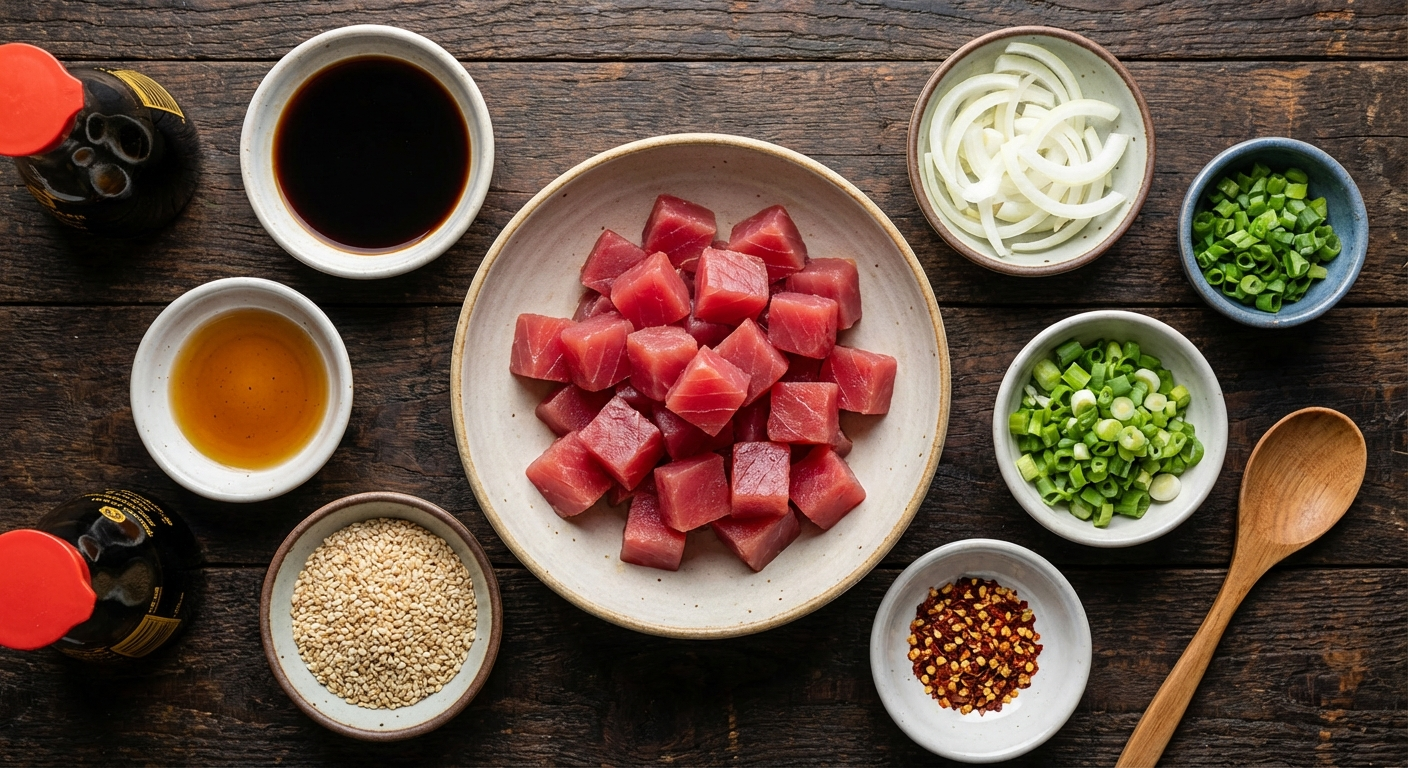
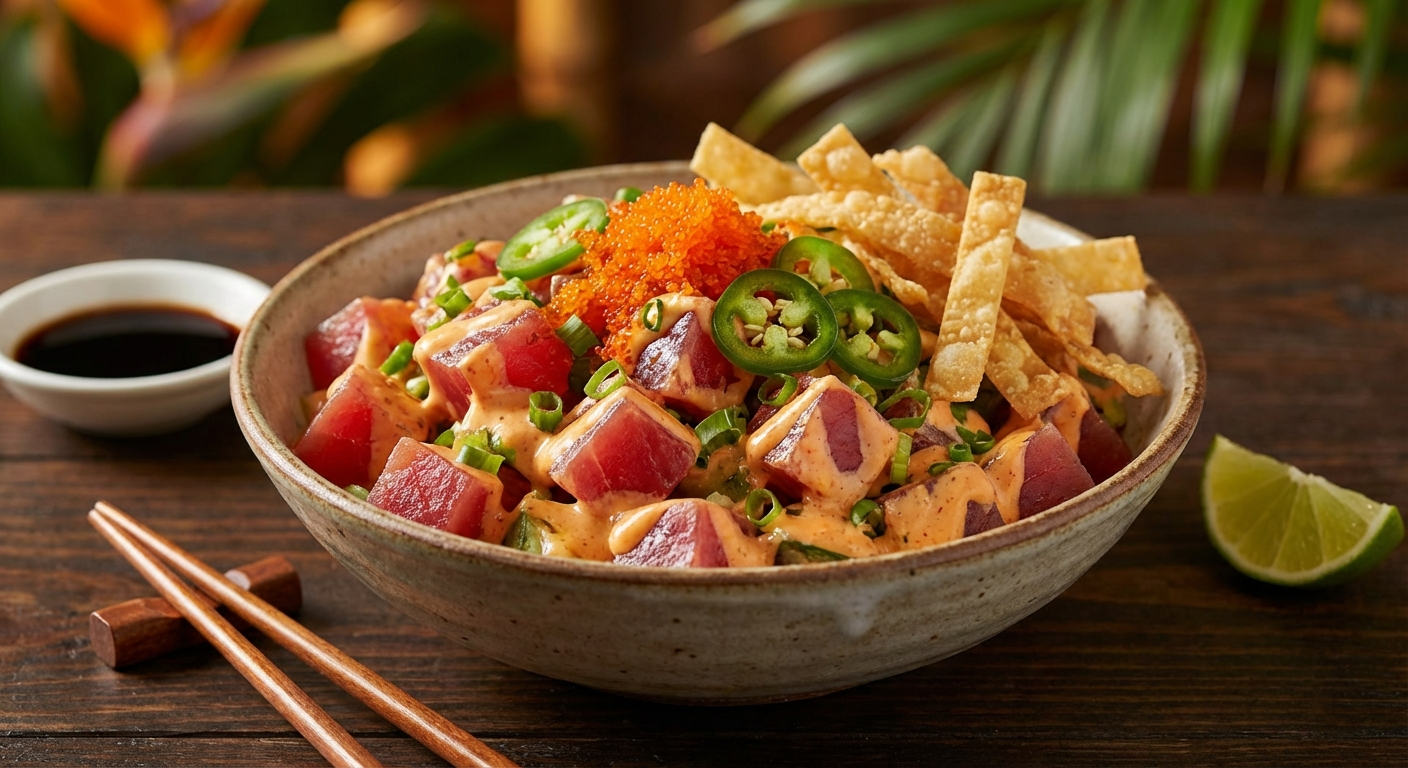
- Poke: a few drops in ahi poke adds heat that plays against the sesame oil and soy sauce.
- Rice: splash on hot white rice with a little butter. One of the simplest things you can eat.
- Saimin and soups: a few shakes into broth-based soups or Hawaiian beef stew add warmth without covering the broth.
- Plate lunch proteins: drizzle over chicken katsu, kalua pig, teriyaki chicken, or any plate lunch protein.
- Eggs: chili pepper water on scrambled eggs or a fried egg over rice is a local breakfast standard.
- Loco moco: a splash on a loco moco cuts through the richness of the gravy and the egg.
- Musubi: a light sprinkle on spam musubi before wrapping with nori adds a quiet lift.
A bottle on every table
There is something about a well-worn bottle of chili pepper water that tells you everything about a family and their kitchen. The bottle at my grandma's house was always the same recycled Aloha Shoyu bottle with a piece of masking tape that said "HOT" in her handwriting. It sat between the soy sauce and the rice vinegar, and it was refilled so many times the glass was permanently stained red on the inside. That bottle was as much a part of our family table as the rice cooker was part of the counter.
Making your own chili pepper water is one of the simplest ways to bring Hawaii into your cooking. Ten minutes of work, a day of patience, and a bottle of something no store-bought hot sauce can replicate — a direct connection to the flavors, traditions, and tables of the islands. Find yourself a recycled bottle, grab some peppers, make your own. It only takes once.