Before you read
Hawaii tastes layered because it is.
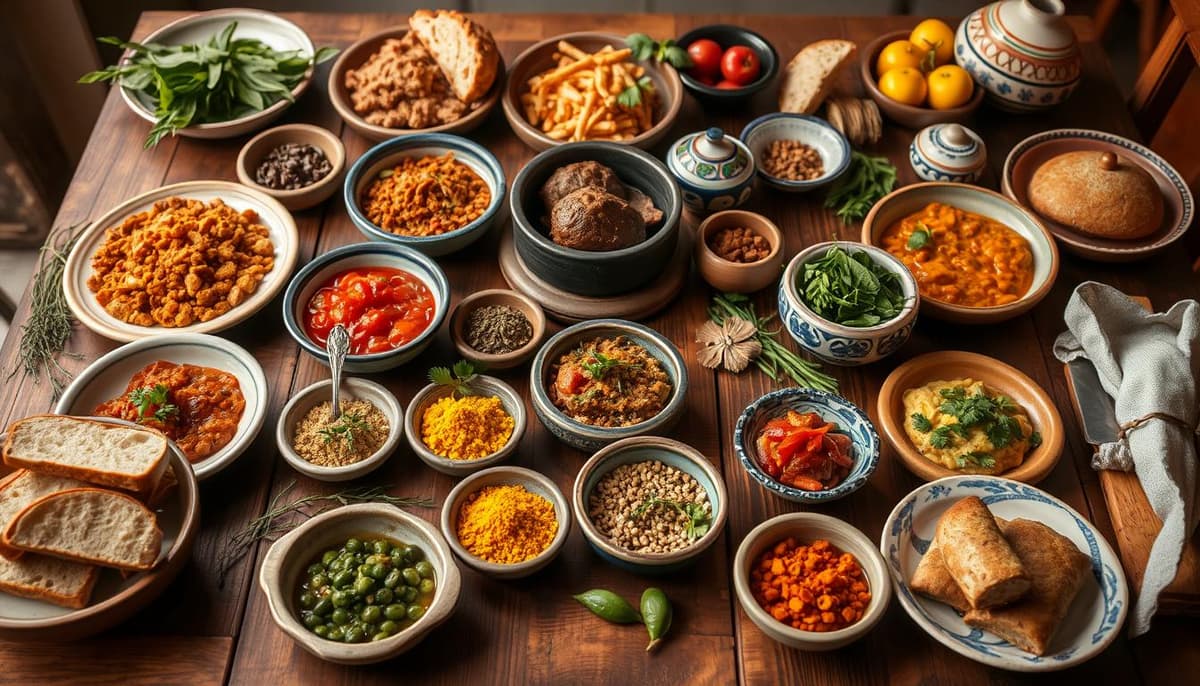
"Traditional" in Hawaii does not mean one era. It means five overlapping ones: Native Hawaiian, Chinese, Japanese, Portuguese, Filipino, plus a post-WWII pantry shift. Every local plate today draws from at least three of them at once. The flavors below are how that stack reads on the tongue.
Ask most mainland cooks what "traditional Hawaiian flavor" means and you get a pineapple joke. Ask a local, and you get a longer answer: depends which generation, which family, which plantation camp their grandparents worked. Hawaii food is a stack of immigrant traditions that landed on the same islands between the 1850s and 1940s and have been cross-pollinating since. What reads as a single "Hawaii flavor" is really five or six, and each one shows up in dishes we still cook every week.
Below is the layered map of those flavors, how they arrived, and the plates they still anchor today.
Native Hawaiian: salt, smoke, earth, and sea
Before any immigrant group arrived, Hawaiian food was already a full cuisine built on the land and the ocean. The flavor palette was specific and deliberate:
- Hawaiian salt (paʻakai): coarse sea salt, sometimes mixed with red alaea clay. The primary seasoning for pork, fish, and poi. Underneath the flavor of kalua pig, poke, and lomi salmon.
- Smoke from the imu: the underground oven used for kalua pig and lau lau. Smoke is not a garnish here; it is structural. The whole pork cooks in banana-leaf and ti-leaf steam over hot lava rocks and takes on the pit flavor as it renders.
- Limu (sea vegetables): several species of edible seaweed. The briny, mineral layer in traditional poke.
- Kukui nut (inamona): roasted and pounded into a paste, sharp and slightly bitter. The crunch and bitterness in traditional Hawaiian-style poke.
- Taro (kalo): pounded into poi, wrapped around pork for lau lau, fried as chips, or baked whole. Mildly sweet, starchy, subtly nutty.
- Coconut: the milk for haupia and lau lau, the shredded meat for desserts, the water for drinks.
These six anchor the oldest dishes: kalua pig, lau lau, traditional poke, poi, haupia, squid luau. The cooking was slow, pit-based, and built on long fermentation (poi) and long slow cooking (imu). See what kalua pig is, what poi is, and what taro is.
Chinese-Hawaiian: shoyu, ginger, five-spice
Chinese workers arrived in Hawaii starting in 1852 for sugar-plantation labor. They brought southern-Chinese and Cantonese cooking, which mapped naturally onto local ingredients:
- Shoyu (soy sauce): arguably the most consequential ingredient in modern Hawaii cooking. It shows up in teriyaki, poke, stir-fries, and most home marinades.
- Fresh ginger and garlic: the base aromatics for almost every Chinese-Hawaiian dish. Still fundamental to chicken long rice, shoyu chicken, and chow fun.
- Five-spice and char siu seasoning: the sweet-savory-anise profile of char siu pork. Shows up in manapua, plate-lunch char siu, and pork-hash dim sum variants.
- Sesame oil and seeds: the finishing toast on poke, the nuttiness in stir-fried vegetables, the crunch on musubi and spam dishes.
Chinese cooking also introduced the stir-fry (fried rice, chow fun, saimin bases) and the technique of braising proteins in soy-sugar sauces — the direct ancestor of Hawaii teriyaki and shoyu chicken.
Japanese-Hawaiian: miso, sesame, shoyu-and-sugar
Japanese workers came starting in 1885, and by the early 1900s they were the largest ethnic group in Hawaii. Japanese food dominates the flavor profile most people now associate with "Hawaii food":
- Shoyu-and-sugar teriyaki: the plate-lunch-defining glaze. Not the sticky mainland teriyaki sauce with pineapple chunks; a clean shoyu-mirin-sugar-ginger-garlic marinade that caramelizes on the grill. Every chicken and beef teriyaki plate lunch is built on this.
- Miso: the fermented soybean paste behind miso soup, miso-butterfish, and some traditional marinades. Salty, funky, deeply savory.
- Furikake: the seaweed-sesame-salt seasoning sprinkled on rice. Mostly Japanese in origin, now on every Hawaii home cook's rice cooker lid. See the seasonings guide.
- Panko: the lighter, crispier Japanese breadcrumb that defines chicken katsu, tonkatsu, and panko-crusted ahi.
- Mochi rice flour (mochiko): the sweet-rice flour that makes mochiko chicken crisp, and butter mochi chewy.
- Dashi: the kombu-and-bonito broth under saimin and Japanese-Hawaiian soups.
Japanese techniques also shaped the bento format that became the plate-lunch three-compartment container and the onigiri method that became spam musubi during WWII.
Portuguese-Hawaiian: paprika, sweet bread, sausage
Portuguese workers arrived starting in 1878, mostly from the Azores and Madeira. Their contribution to Hawaii food was concentrated but distinctive:
- Portuguese sausage (linguiça): paprika-heavy, garlicky pork sausage. On every breakfast plate lunch alongside rice and eggs. Brand names locals recognize: Redondo's, Purity, Silva's.
- Portuguese sweet bread: the soft enriched loaf that became Hawaiian sweet bread and the base for French toast. King's Hawaiian bread is the mainland supermarket version of this tradition.
- Bean soup (sopa de feijão): the hearty kidney-bean, sausage, and vegetable soup that became Hawaii Portuguese bean soup. Served at Zippy's and home kitchens across the islands.
- Malasadas: the sugar-coated fried dough. See the full malasada entry.
Portuguese seasoning is warmer and earthier than the East Asian contributions — paprika, cumin, pepper — and shows up most in breakfast and bread contexts.
Filipino-Hawaiian: vinegar, adobo, longaniza
Filipino workers came starting in 1906 and are now the largest immigrant group on the islands. Their cooking contributes sharper, brighter, vinegar-forward flavors:
- Cane vinegar and palm vinegar: the acidic backbone of adobo, lechon dipping sauce, and many marinades. Sharper and fruitier than white vinegar.
- Adobo technique: soy sauce, vinegar, garlic, bay, peppercorns simmered with pork or chicken until the sauce reduces and the meat glazes. Chicken adobo is a staple weeknight dinner in Hawaii Filipino households.
- Longaniza: sweet-and-savory Filipino breakfast sausage, heavier on garlic and sugar than Portuguese linguiça.
- Lumpia: the thin, crisp spring rolls. See the lumpia entry.
- Pancit: the stir-fried noodle dish that is now a standard potluck item at Hawaii parties. See pancit.
Filipino food tips more acidic and pungent than the other immigrant traditions, which is why it reads as the brightest and sharpest layer on a mixed-culture plate.
Post-WWII: Spam, canned pineapple, ketchup-based glazes
The last layer arrived during and after WWII. Fresh meat was scarce, canned food was plentiful, and a generation of local cooks incorporated what was on the shelf:
- Spam: canned pork luncheon meat. Eaten more per capita in Hawaii than anywhere else in the US. See what spam musubi is and the history of Spam in Hawaii.
- Vienna sausage: the smaller canned sausage used in breakfast plates. See Vienna sausage and eggs.
- Canned pineapple: used in dressings, glazes, and teriyaki variants. The pineapple-on-teriyaki move comes from this era, though it is less local than mainland tourist menus suggest.
- Ketchup-sugar glazes: the base for Hawaii-style loco moco gravy and for some sweet-and-sour variations at drive-ins.
These post-WWII additions layered on top of the Asian and Portuguese traditions rather than replacing them. That is why a modern Hawaii breakfast plate can hold Japanese-technique rice, Portuguese sausage, and American Spam on the same plate without any of them feeling wrong.
How the stack reads on a single plate
A typical plate-lunch dinner tells the whole story:
- Calrose rice — Japanese technique, Chinese staple
- Macaroni salad — American mainland base, adapted with a Hawaii local sweet-vinegar tang
- Teriyaki chicken — Chinese braising logic executed with Japanese shoyu-mirin-sugar
- Chili pepper water on the side — Filipino vinegar technique with Hawaiian chili peppers
- Furikake sprinkled on the rice — Japanese finishing touch
Five cultural layers on one plate, and no one living in Hawaii thinks about them as separate. That is what "traditional Hawaiian flavor" means locally: all of the above, stacked, at the same time. See the Hawaii plate lunch guide.
What does not belong
As much as Hawaii food welcomes new influences, some mainland flavors read as wrong on a local plate:
- Italian-herb marinades on the protein. Basil and oregano are not part of the Hawaii flavor stack. Stick to ginger-garlic-shoyu for the primary seasoning.
- Pineapple chunks baked into every teriyaki recipe. Real Hawaii teriyaki uses mirin or a small amount of pineapple juice in the marinade, not whole chunks on the grill. The pineapple-chunks thing is a mainland tiki trope.
- Coconut flakes on top of savory dishes. Coconut shows up in haupia, mochi, curries, and some Filipino dishes — almost never as a decorative garnish on mainline proteins.
- Sweet-and-sour neon sauces. Hawaii Chinese food uses these restrained and balanced, not bright-red and cornstarch-thickened the way some mainland Americanized versions do.
If a recipe reads as "Hawaiian" and leans heavily on any of these, it is probably written for mainland tourists, not for local cooks.
Frequently asked questions
What are the traditional flavors of Hawaii food?
Hawaii flavors layer five traditions: Native Hawaiian (salt, smoke, limu, kukui nut, coconut, taro), Chinese-Hawaiian (shoyu, ginger, five-spice), Japanese-Hawaiian (shoyu-sugar teriyaki, miso, furikake, panko, mochiko), Portuguese-Hawaiian (paprika, sweet bread, bean soup, malasadas), and Filipino-Hawaiian (cane vinegar, adobo, longaniza, pancit). A post-WWII pantry shift added Spam, Vienna sausage, and canned pineapple on top.
Is Hawaii food the same as Polynesian food?
No. Native Hawaiian cooking shares Polynesian roots with Samoan, Tongan, and Tahitian cuisine (imu cooking, taro, coconut, fish, pork). But modern Hawaii food is the full immigrant-layered cuisine that built up over 150 years on the islands, which does not exist in the same form anywhere else in Polynesia.
What flavor defines "local Hawaii food" the most?
Shoyu-sugar-garlic-ginger, the base of plate-lunch teriyaki. That combination is in teriyaki chicken, beef teriyaki, shoyu chicken, most home marinades, and many poke recipes. If you had to name one flavor profile that anchors modern local cooking, it is that four-ingredient base.
Why does Hawaii food use so much Spam?
WWII scarcity and rationing, followed by economic habit. Spam cooks fast, keeps forever, and pairs naturally with rice, so it integrated into existing Japanese, Chinese, and Filipino breakfast traditions in Hawaii and stayed. Today Hawaii eats about seven million cans a year, more per capita than any US state.
Are modern fusion dishes authentic Hawaii food?
Yes, if they are Hawaii-born fusion. Spam musubi was a fusion invention in the 1940s that is now considered traditional. Poke nachos, ahi poke stacks, and kimchi cheese musubi are following the same path. What does not qualify is mainland-written "Hawaiian-style" recipes that lean on tropical-tiki tropes (pineapple chunks, coconut flakes, sweet neon sauces) without a real Hawaii lineage.